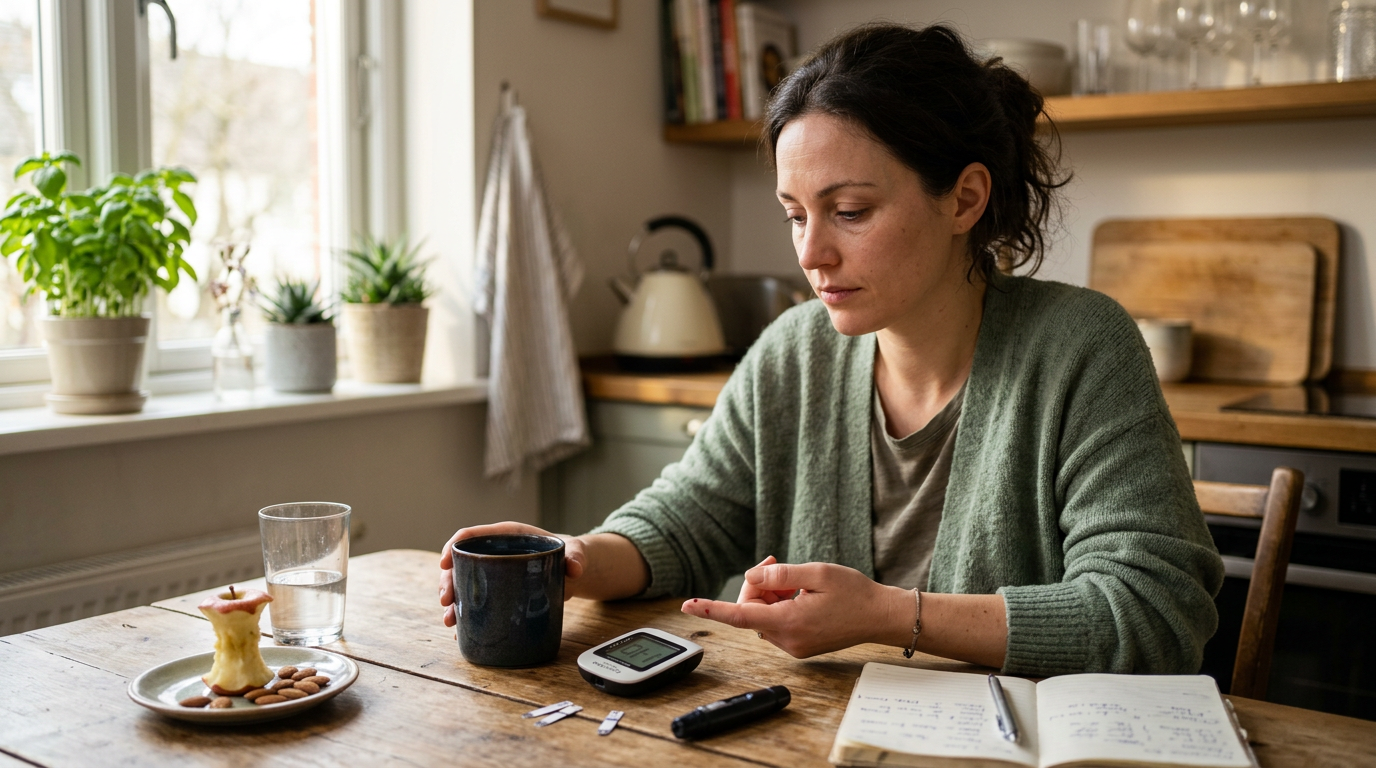
10 Silent Diabetes Signs You Should Never Ignore

Dr. Brian Karaan
Author
10 Silent Diabetes Signs You Might Be Ignoring
Recognizing the earliest diabetes signs is the first step toward reclaiming your long-term metabolic health. Because many symptoms develop slowly over months or years, they can be incredibly easy to dismiss as part of aging or everyday stress.
When your blood sugar levels remain elevated, your body works overtime to process the excess glucose. This constant internal struggle produces physical signals that, if caught early, can significantly change your health trajectory.
Common Early Symptoms of High Blood Sugar
One of the most frequent indicators of rising glucose is excessive thirst, also known as polydipsia. As your kidneys work to filter and absorb the excess sugar, they draw fluid from your tissues, leaving you feeling perpetually dehydrated.
This cycle leads directly to frequent urination. If you find yourself waking up multiple times during the night to use the bathroom, your body may be trying to flush out excess glucose through your urine.
Changes in Vision and Energy
Have you noticed that your vision occasionally becomes blurry? High blood sugar can cause the lenses in your eyes to swell, altering your ability to focus.
While this is often temporary, ignoring it can lead to more permanent damage. Similarly, unexplained fatigue is a hallmark sign of insulin resistance, as your cells are unable to access the energy they need from the food you eat.
Subtle Diabetes Signs in Your Skin and Nerves
The skin is often a window into your internal metabolic state. Many people with prediabetes or type 2 diabetes develop dark, velvety patches in the folds of their skin, a condition called acanthosis nigricans.
These patches typically appear on the neck, armpits, or groin. Additionally, you might notice that small cuts or bruises take much longer to heal than they used to, as high sugar levels impair blood circulation and natural repair processes.
Tingling and Numbness
Over time, elevated glucose can damage the small fibers of your nervous system. This often manifests as a "pins and needles" sensation in the hands or feet, known as diabetic neuropathy.
Why Early Detection Matters
Catching these diabetes signs early allows for proactive management before the condition progresses. When your body is in the early stages of insulin resistance, the damage is often occurring within your gut microbiome and metabolic signaling pathways.
By addressing the root cause—the way your body processes sugar and communicates with your pancreas—you can prevent the long-term complications associated with chronic high blood sugar. Paying attention to these subtle shifts is the best way to protect your future self.
When you notice these subtle signals, it is often a sign that your gut-glucose connection has become disrupted. Research from institutions like Harvard and MIT suggests that bacterial collapse in the digestive tract can break the vital signaling needed for healthy insulin function. Using GutGlucose can help rebuild these essential bacterial colonies and restore the "Missing General" compound your body needs to coordinate sugar levels properly. By focusing on the gut where these diabetes signs often originate, GutGlucose offers a direct way to support your body's natural defense against glucose spikes.
These statements have not been evaluated by the Food and Drug Administration. This product is not intended to diagnose, treat, cure, or prevent any disease.


Comments (0)
Log in to leave a comment
No comments yet. Be the first to comment!

Dr. Brian Karaan
Dr. Brian Karaan, MD. Mayo Clinic alumni. Functional medicine physician in Denver, CO for 28 years. Spent 22 years developing the gut-based protocol that Harvard confirmed in 2024. Treated 4,000+ patients. Created Sugar Harmony to bring the protocol to everyone who needs it.
View all posts
The Gut-Glucose Connection: What Controls Your Blood Sugar More Than Anything You've Been Prescribed
- The 5 foods that secretly spike your blood sugar
- The gut-glucose connection Harvard confirmed in 8,000 diabetics — and your doctor never mentioned
- The 3 bacterial failures happening in your gut right now that no medication is fixing
- Dr. Karaan's 3-day gut reset protocol to stop the damage before it goes further
- The morning routine that prepares your gut to regulate glucose before your first meal
- Why metformin, Ozempic, and every diet you've tried were aimed at the wrong organ
- The natural compounds that target the root cause — not the symptom