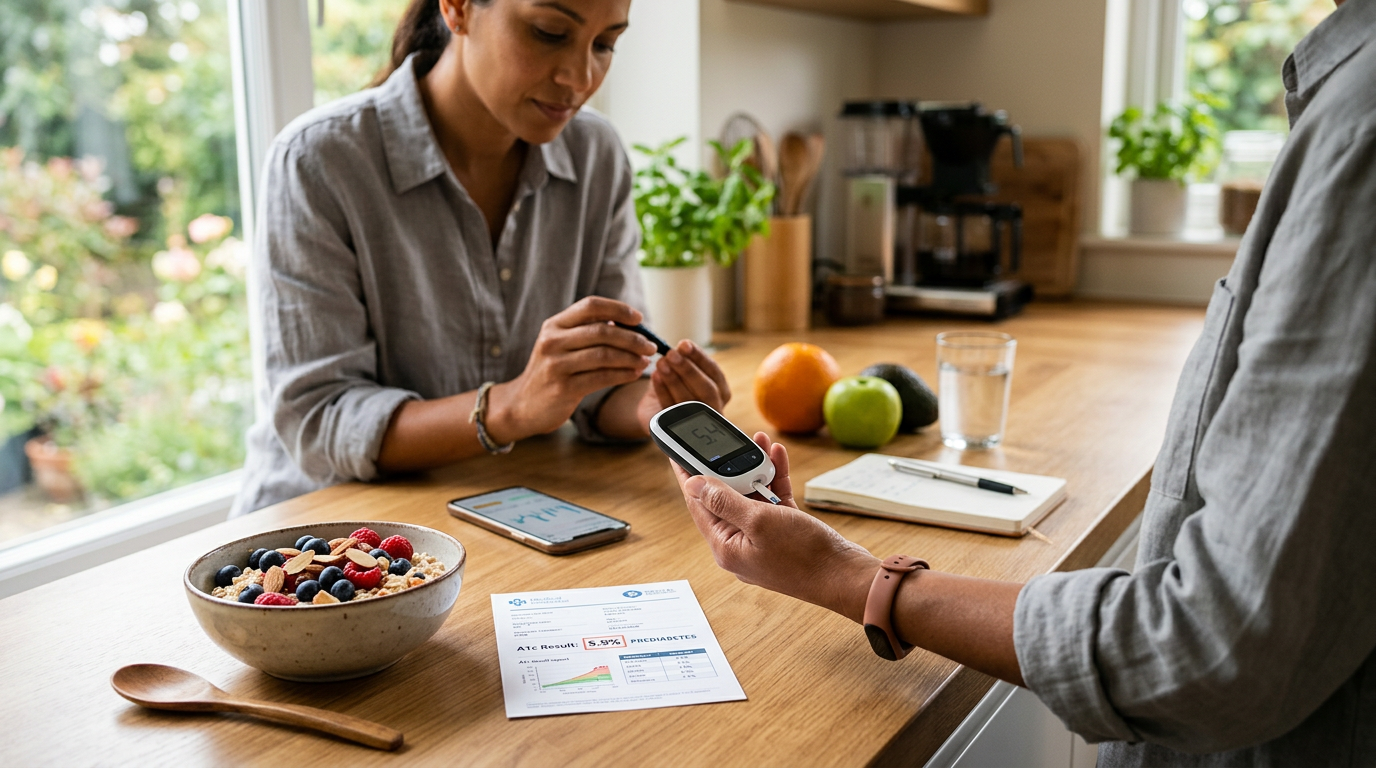
A1c Prediabetes: Expert Guide to Understanding and Reversing Your Levels

Dr. Brian Karaan
Author
Understanding A1c Prediabetes: Your Guide to Reversing the Trend
Discovering you have A1c prediabetes can feel like a wake-up call, but it is also a powerful opportunity. It means your blood sugar levels are higher than normal, but not yet high enough to be classified as type 2 diabetes.
The A1c test is the gold standard for diagnosing this condition because it provides a three-month average of your blood glucose levels. Unlike a daily finger prick, it shows the big picture of how your body handles sugar over time.
Because prediabetes often has no outward symptoms, millions of Americans are living with it without knowing. Taking action now can help you avoid long-term complications and return your levels to a healthy range.
What Do Your A1c Numbers Actually Mean?
To understand A1c prediabetes, you first need to know how the percentages translate to your health status. The A1c test measures the percentage of hemoglobin proteins in your blood that are coated with sugar (glycated).
The ranges are clearly defined by medical professionals:
If your result falls in the 5.7% to 6.4% range, your body is struggling to process glucose efficiently. This is usually due to insulin resistance, where your cells stop responding properly to the hormone that regulates blood sugar.
Why the 3-Month Average Matters
The A1c test is unique because it measures glucose attached to red blood cells, which live for about 90 to 120 days. This makes it much more reliable than a fasting glucose test, which can be affected by what you ate the night before or even your stress levels that morning.The Role of the Gut in Rising Blood Sugar
While most people focus strictly on the pancreas, modern research is looking deeper into the digestive system. We now know that your gut microbiome plays a massive role in how you metabolize carbohydrates.
When the beneficial bacteria in your gut are imbalanced, it can trigger systemic inflammation. This inflammation makes it harder for your cells to "hear" the signal from insulin, causing your blood sugar to climb into the prediabetes range.
Supporting your internal ecosystem is just as important as monitoring your sugar intake. A healthy gut helps regulate the hormones that tell your brain you are full and tell your muscles to use glucose for energy.
4 Proven Strategies to Lower Your A1c
The good news is that A1c prediabetes is often reversible through targeted lifestyle shifts. You don't have to change everything overnight, but consistent small wins add up to big results.
1. Focus on Fiber-Rich Whole Foods
Fiber acts as a natural "speed bump" for sugar absorption. By eating more leafy greens, legumes, and seeds, you slow down the rate at which glucose enters your bloodstream.This prevents the sharp insulin spikes that exhaust your pancreas over time. Aim for a mix of soluble and insoluble fiber to support both digestion and glucose stability.
2. Prioritize "Post-Meal" Movement
You don't need to spend hours at the gym to see an improvement in your A1c. A simple 10-to-15-minute walk after your largest meal can significantly lower your post-meal glucose peak.Muscles are the primary consumers of glucose in the body. When you move, your muscles pull sugar out of the blood to use as fuel, even without needing extra insulin.
3. Improve Your Sleep Hygiene
Sleep deprivation is a hidden driver of high blood sugar. Research shows that just one night of poor sleep can increase insulin resistance the following day.When you are tired, your body produces more cortisol, a stress hormone that tells the liver to release extra glucose for energy. Aim for 7-9 hours of quality rest to keep your hormones in balance.
4. Hydrate with Water, Not Sugar
Liquid sugars are the fastest way to spike your A1c levels. Sodas, sweetened coffees, and even fruit juices hit the bloodstream almost instantly.Switching to water or herbal teas helps your kidneys flush out excess glucose. Staying hydrated also keeps your blood volume stable, which prevents concentrated spikes in sugar readings.
How Your Gut Bacteria Control Glucose Signals
Recent studies from institutions like Harvard and MIT have highlighted the "Gut-Glucose Connection." They found that specific bacterial colonies in the gut act as "signal boosters" for insulin.
When these colonies collapse due to poor diet, antibiotics, or stress, the communication between your gut and your pancreas breaks down. This breakdown is often the underlying cause of why an A1c score starts creeping into the prediabetes zone.
By rebuilding these bacterial colonies, you can help restore the natural signaling pathways. This "bottom-up" approach to blood sugar management focuses on the source of the problem rather than just the symptoms.
Addressing A1c prediabetes requires a holistic view of how your body processes energy. By focusing on gut health, consistent movement, and fiber intake, you can take control of your metabolic future.
Managing your A1c levels often starts with repairing the communication network in your digestive tract. This is why Dr. Brian Karaan developed GutGlucose, a targeted formula designed to rebuild the bacterial colonies that support healthy insulin signaling. By incorporating GutGlucose into your morning routine, you can support your body's natural ability to manage sugar at the source while following the dietary and lifestyle steps outlined in this guide.
These statements have not been evaluated by the Food and Drug Administration. This product is not intended to diagnose, treat, cure, or prevent any disease.


Comments (0)
Log in to leave a comment
No comments yet. Be the first to comment!

Dr. Brian Karaan
Dr. Brian Karaan, MD. Mayo Clinic alumni. Functional medicine physician in Denver, CO for 28 years. Spent 22 years developing the gut-based protocol that Harvard confirmed in 2024. Treated 4,000+ patients. Created Sugar Harmony to bring the protocol to everyone who needs it.
View all posts
The Gut-Glucose Connection: What Controls Your Blood Sugar More Than Anything You've Been Prescribed
- The 5 foods that secretly spike your blood sugar
- The gut-glucose connection Harvard confirmed in 8,000 diabetics — and your doctor never mentioned
- The 3 bacterial failures happening in your gut right now that no medication is fixing
- Dr. Karaan's 3-day gut reset protocol to stop the damage before it goes further
- The morning routine that prepares your gut to regulate glucose before your first meal
- Why metformin, Ozempic, and every diet you've tried were aimed at the wrong organ
- The natural compounds that target the root cause — not the symptom