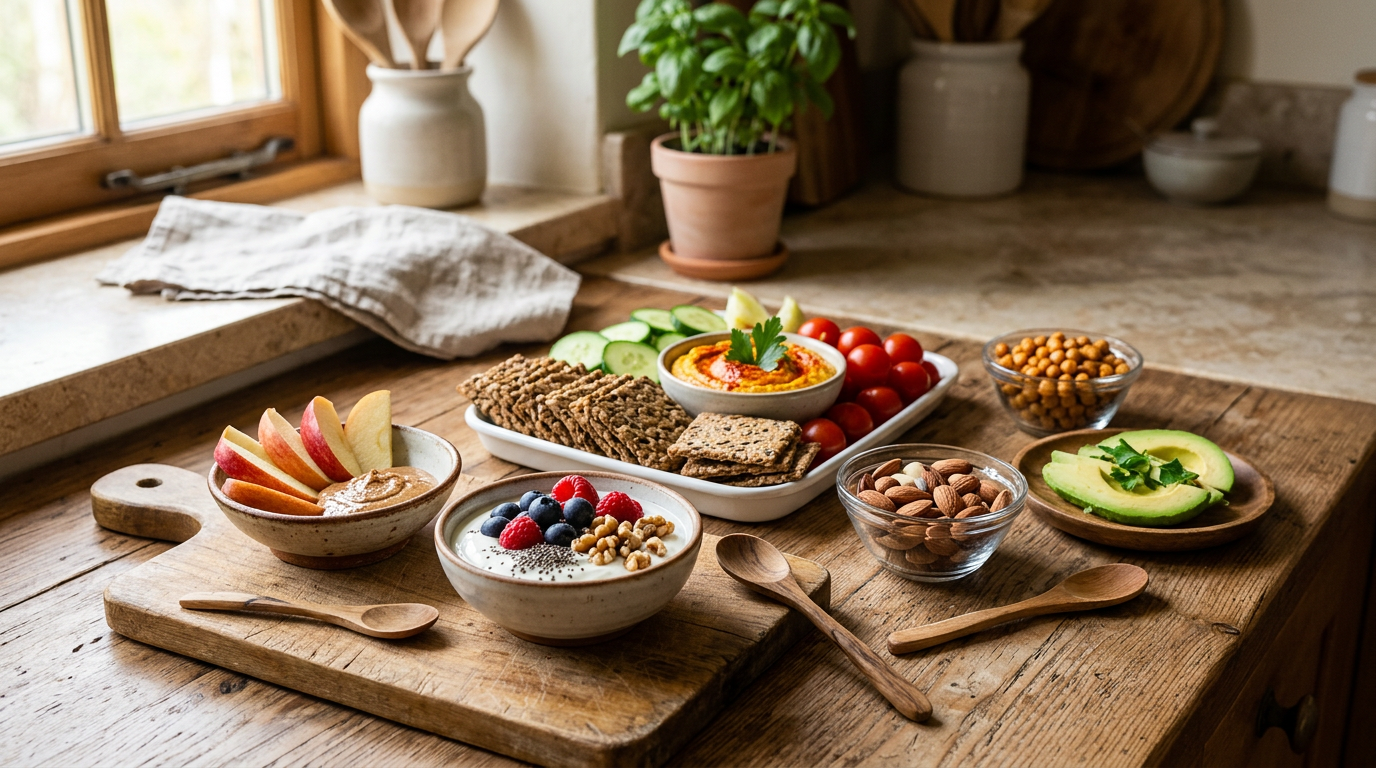
Best Snacks for Diabetics: Healthy Ideas for Blood Sugar Control

Dr. Brian Karaan
Author
Smart and Tasty Snacks for Diabetics to Stabilize Blood Sugar
Finding the right snacks for diabetics can often feel like a tightrope walk between satisfaction and glucose control. When you live with diabetes, snacking isn't just about hunger; it's about maintaining steady energy levels throughout the day.
The goal is to avoid the "rollercoaster effect"—where a high-carb snack causes a massive spike in blood sugar, followed by a crashing low. By choosing snacks that combine fiber, healthy fats, and lean protein, you can slow down glucose absorption and stay full for longer.
The Science of Smart Snacking
When you eat a carbohydrate-heavy snack, your body quickly converts those sugars into glucose. For someone with diabetes, this can overwhelm the body's ability to manage insulin effectively.
Pairing those carbs with protein and healthy fats acts like a "brake" on your digestion. This slower process leads to a gentle rise in blood sugar rather than a dangerous surge.
Why Fiber Matters Most
Fiber is a type of carbohydrate that your body cannot digest. Because it passess through the system without being broken down into sugar, it helps regulate the body's use of glucose.Aim for snacks that provide at least 3 grams of fiber per serving. This keeps your gut microbiome happy and your metabolic health on track.
Top Low-Glycemic Snack Ideas
Here are several nutrient-dense options that satisfy cravings without compromising your health goals.
1. Hard-Boiled Eggs
Eggs are a powerhouse of nutrition, offering high-quality protein and healthy fats with zero impact on blood sugar. They are portable, easy to prep in bulk, and incredibly satiating.2. Greek Yogurt with Berries
Plain Greek yogurt contains more protein and fewer carbs than regular yogurt. Top it with half a cup of raspberries or blueberries for a dose of antioxidants and fiber.3. Almonds and Walnuts
Nuts are rich in magnesium, which has been shown to improve insulin sensitivity. A small handful (about one ounce) provides the perfect crunch and heart-healthy monounsaturated fats.4. Celery with Natural Peanut Butter
This classic combination offers a satisfying "crunch and cream" texture. Celery is almost entirely water and fiber, while peanut butter provides the protein needed to stabilize energy.Snacking Habits for Better Glucose Control
It is not just about what you eat, but how you eat it. Portion control remains a vital part of managing diabetes, even when the food is healthy.
Read the Labels
Always check the nutrition facts for "Added Sugars." Many products marketed as "healthy" or "low-fat" use sugar to enhance flavor, which can derail your glucose management.Timing Your Snacks
Try to snack only when you are genuinely hungry, rather than out of boredom or stress. Constant grazing can keep insulin levels elevated, making it harder for the body to access stored fat for energy.Hydration is Key
Sometimes, the body confuses thirst for hunger. Drinking a glass of water before reaching for a snack can help you determine if you actually need calories or just a drink.Managing the Gut-Glucose Connection
Maintaining stable blood sugar involves more than just counting calories; it requires a healthy internal environment. Emerging research shows that the health of your digestive system plays a massive role in how your body processes the snacks you eat.
By focusing on high-fiber foods and resistant starches, you can support the beneficial bacteria in your microbiome. This internal balance is essential for ensuring that the nutrients from your snacks for diabetics are utilized properly by your cells.
If you find that your blood sugar fluctuates despite careful snacking, it may be due to a disruption in your gut-glucose signaling. A targeted approach like GutGlucose can help rebuild those essential bacterial colonies to improve how your body handles sugar at the source. One capsule of GutGlucose taken daily helps restore the internal coordination necessary for lasting metabolic health.
These statements have not been evaluated by the Food and Drug Administration. This product is not intended to diagnose, treat, cure, or prevent any disease.


Comments (0)
Log in to leave a comment
No comments yet. Be the first to comment!

Dr. Brian Karaan
Dr. Brian Karaan, MD. Mayo Clinic alumni. Functional medicine physician in Denver, CO for 28 years. Spent 22 years developing the gut-based protocol that Harvard confirmed in 2024. Treated 4,000+ patients. Created Sugar Harmony to bring the protocol to everyone who needs it.
View all posts
The Gut-Glucose Connection: What Controls Your Blood Sugar More Than Anything You've Been Prescribed
- The 5 foods that secretly spike your blood sugar
- The gut-glucose connection Harvard confirmed in 8,000 diabetics — and your doctor never mentioned
- The 3 bacterial failures happening in your gut right now that no medication is fixing
- Dr. Karaan's 3-day gut reset protocol to stop the damage before it goes further
- The morning routine that prepares your gut to regulate glucose before your first meal
- Why metformin, Ozempic, and every diet you've tried were aimed at the wrong organ
- The natural compounds that target the root cause — not the symptom