
Blood Sugar Levels After Eating: A Guide to Post-Meal Glucose

Dr. Brian Karaan
Author
Understanding Normal Blood Sugar Levels After Eating
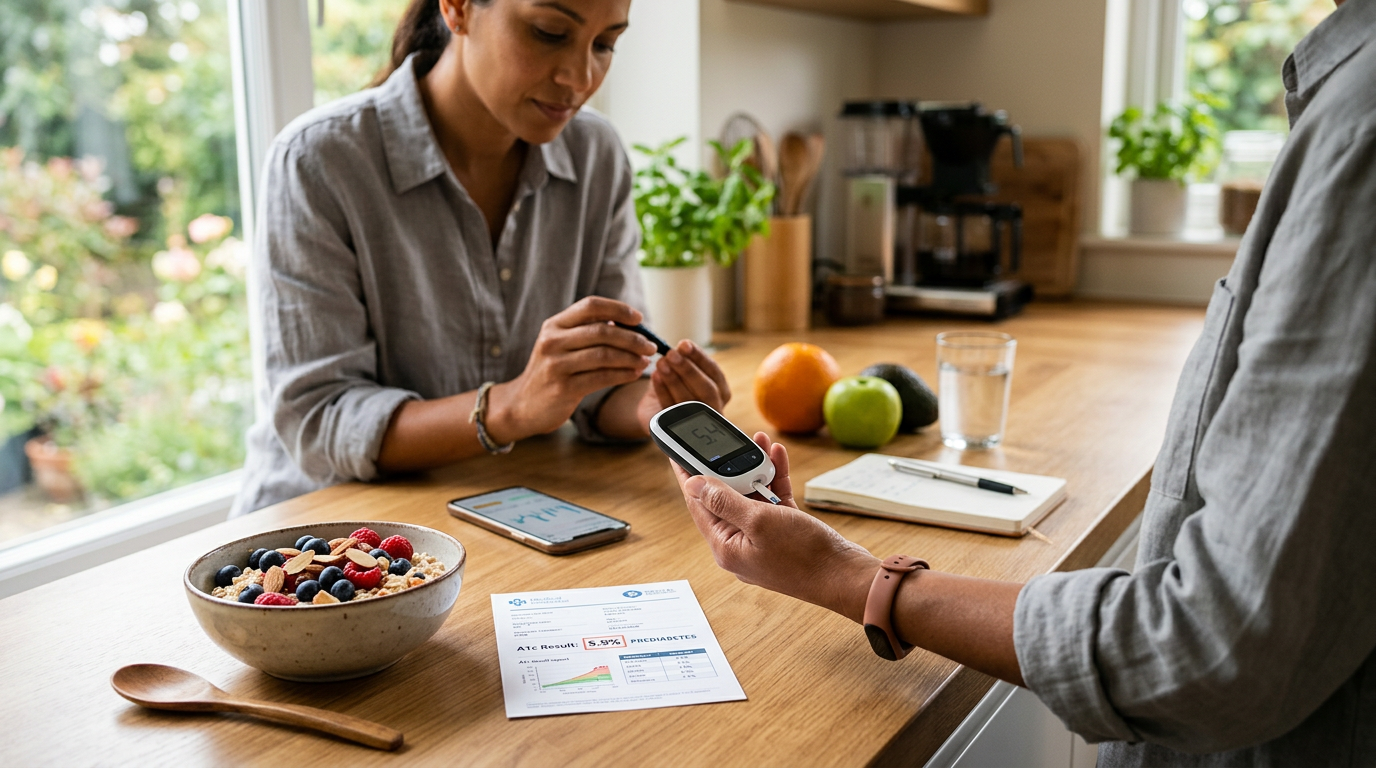
Have you ever wondered what exactly happens inside your body the moment you take a bite of food? For many, monitoring blood sugar levels after eating is a daily necessity, but understanding the mechanics behind the "glucose spike" is vital for everyone interested in long-term metabolic health.
When we consume carbohydrates, our digestive system breaks them down into glucose, which enters the bloodstream. This process triggers the pancreas to release insulin, the hormone responsible for ushering that sugar into your cells for energy.
What is a Normal Post-Prandial Blood Sugar Reading?
In medical terms, "post-prandial" simply means after a meal. For a person without diabetes, blood sugar levels typically peak about an hour after eating and rarely exceed 140 mg/dL.
Within two hours, the body’s homeostatic mechanisms usually bring those levels back down below 120 mg/dL. However, for those managing pre-diabetes or type 2 diabetes, these numbers can remain elevated for much longer, leading to cellular damage over time.
Factors That Influence Your Glucose Spike
Several variables determine how high and how fast your sugar rises after a meal:The Danger of Frequent Blood Sugar Spikes
While occasional spikes are a natural part of eating, frequent and sustained high blood sugar can lead to "insulin resistance." This occurs when your cells stop responding efficiently to insulin, forcing the pancreas to pump out even more.
Over time, this cycle creates systemic inflammation and can lead to the development of metabolic disorders. Monitoring your blood sugar levels after eating provides a "window" into your metabolic flexibility and helps you identify which foods your body handles best.
How to Flatten the Glucose Curve
Small changes in your eating habits can have a profound impact on your post-meal readings. Research suggests that the order in which you eat your food matters just as much as what you eat.
The Role of the Gut Barrier in Sugar Absorption
Recent scientific breakthroughs from institutions like Harvard and MIT have highlighted that sugar management isn't just about the pancreas. The gut lining serves as the primary gatekeeper for glucose entering the blood.
If the bacterial colonies in the gut are imbalanced, the "signal" sent to the rest of the body regarding insulin production becomes garbled. This "bacterial collapse" can make it nearly impossible to maintain stable blood sugar levels after eating, regardless of how strictly you diet.
Rebuilding the Signal at the Source
Optimizing your post-meal glucose response requires a healthy gut environment that can effectively coordinate insulin signaling. Understanding that metabolic health starts in the microbiome is key to moving past traditional restrictive dieting.
By restoring the "missing" bacterial links in your digestive system, you can help your body naturally manage sugar absorption before it even hits your bloodstream. This holistic approach focuses on the biological cause of glucose instability rather than just the symptoms.
If you find that your blood sugar levels after eating remain stubborn despite dietary changes, it may be due to a disrupted gut-glucose connection. Dr. Brian Karaan developed GutGlucose specifically to address this by rebuilding bacterial colonies and reducing sugar absorption by up to 50% in the intestine. By using GutGlucose once a day, you support the "Gut Guardian" mechanism that keeps your metabolic signals clear and responsive.
These statements have not been evaluated by the Food and Drug Administration. This product is not intended to diagnose, treat, cure, or prevent any disease.


Comments (0)
Log in to leave a comment
No comments yet. Be the first to comment!
Dr. Brian Karaan
Dr. Brian Karaan, MD. Mayo Clinic alumni. Functional medicine physician in Denver, CO for 28 years. Spent 22 years developing the gut-based protocol that Harvard confirmed in 2024. Treated 4,000+ patients. Created Sugar Harmony to bring the protocol to everyone who needs it.
View all posts
The Gut-Glucose Connection: What Controls Your Blood Sugar More Than Anything You've Been Prescribed
- The 5 foods that secretly spike your blood sugar
- The gut-glucose connection Harvard confirmed in 8,000 diabetics — and your doctor never mentioned
- The 3 bacterial failures happening in your gut right now that no medication is fixing
- Dr. Karaan's 3-day gut reset protocol to stop the damage before it goes further
- The morning routine that prepares your gut to regulate glucose before your first meal
- Why metformin, Ozempic, and every diet you've tried were aimed at the wrong organ
- The natural compounds that target the root cause — not the symptom