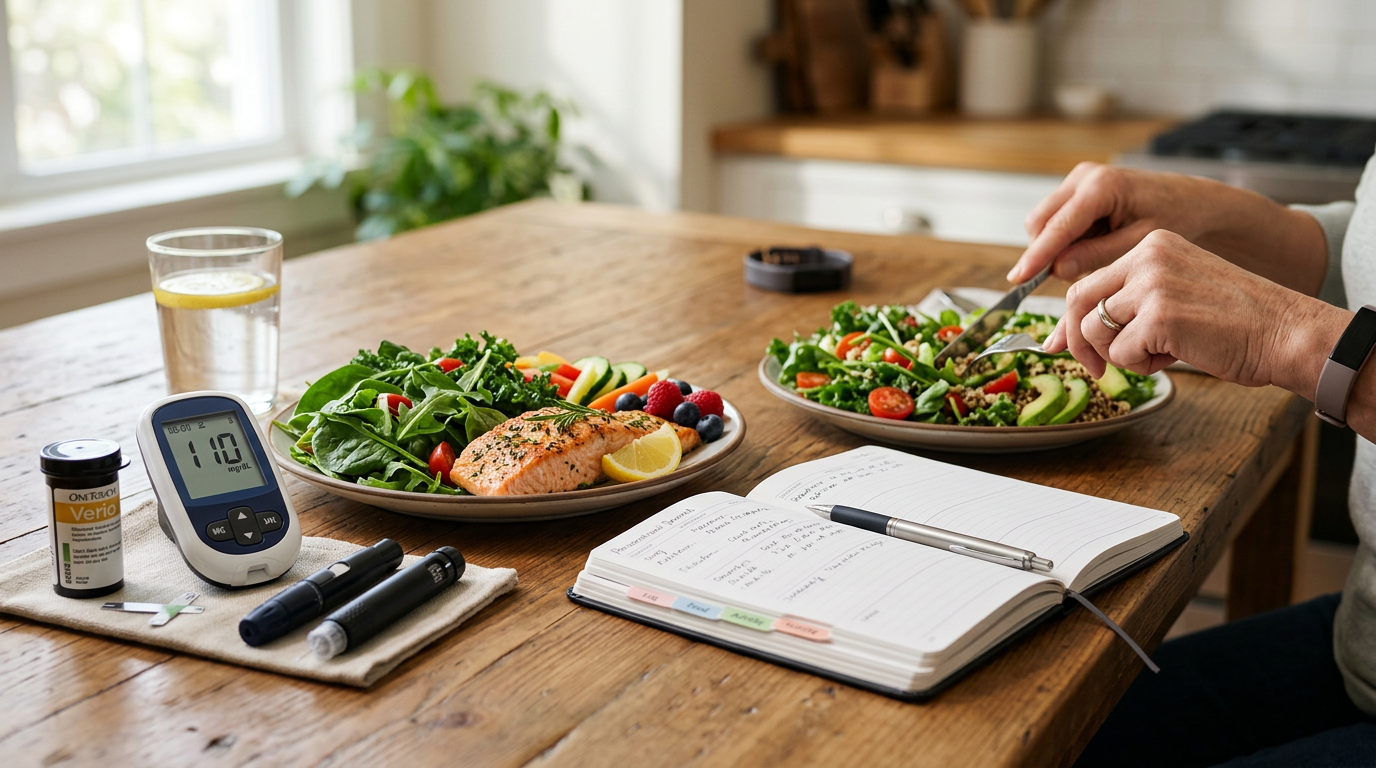
Comprehensive Strategies for Effective Diabetes Management

Dr. Brian Karaan
Author
Effective Strategies for Long-Term Diabetes Management
Managing your health after a diagnosis can feel overwhelming, but modern diabetes management has evolved far beyond simple calorie counting. By understanding how your body processes fuel, you can take proactive steps to maintain stable energy levels and protect your long-term wellness.
The foundation of successful management lies in balancing nutrition, physical activity, and stress regulation. Small, consistent changes often yield the most significant results for your A1c levels and overall metabolic health.
The Role of Nutrition in Blood Sugar Stability
Dietary choices are the most powerful tool in your diabetes management toolkit. Focusing on the glycemic index of foods can help you predict how certain meals will impact your glucose levels.
Complex carbohydrates, such as leafy greens, legumes, and whole grains, digest slowly. This slow digestion prevents the rapid spikes and crashes that often lead to fatigue and increased sugar cravings.
Prioritizing Fiber and Protein
Fiber acts as a natural buffer, slowing the absorption of sugar into the bloodstream. Aim for at least 25 to 30 grams of fiber daily from whole food sources.Pairing carbohydrates with a lean protein source is another effective strategy. Protein triggers the release of glucagon, a hormone that works alongside insulin to keep your blood sugar in a healthy range.
Physical Activity and Insulin Sensitivity
Exercise is naturally therapeutic for people managing diabetes. When you move your muscles, they consume glucose for energy, even without the presence of extra insulin.
Regular physical activity helps improve insulin sensitivity, meaning your cells become more efficient at using the insulin your body produces. This effect can last for up to 48 hours after a single workout session.
Finding the Right Balance
Monitoring and Data Tracking
Knowledge is power when it comes to diabetes management. Regular testing allows you to see exactly how your body responds to different foods, stressors, and activities.
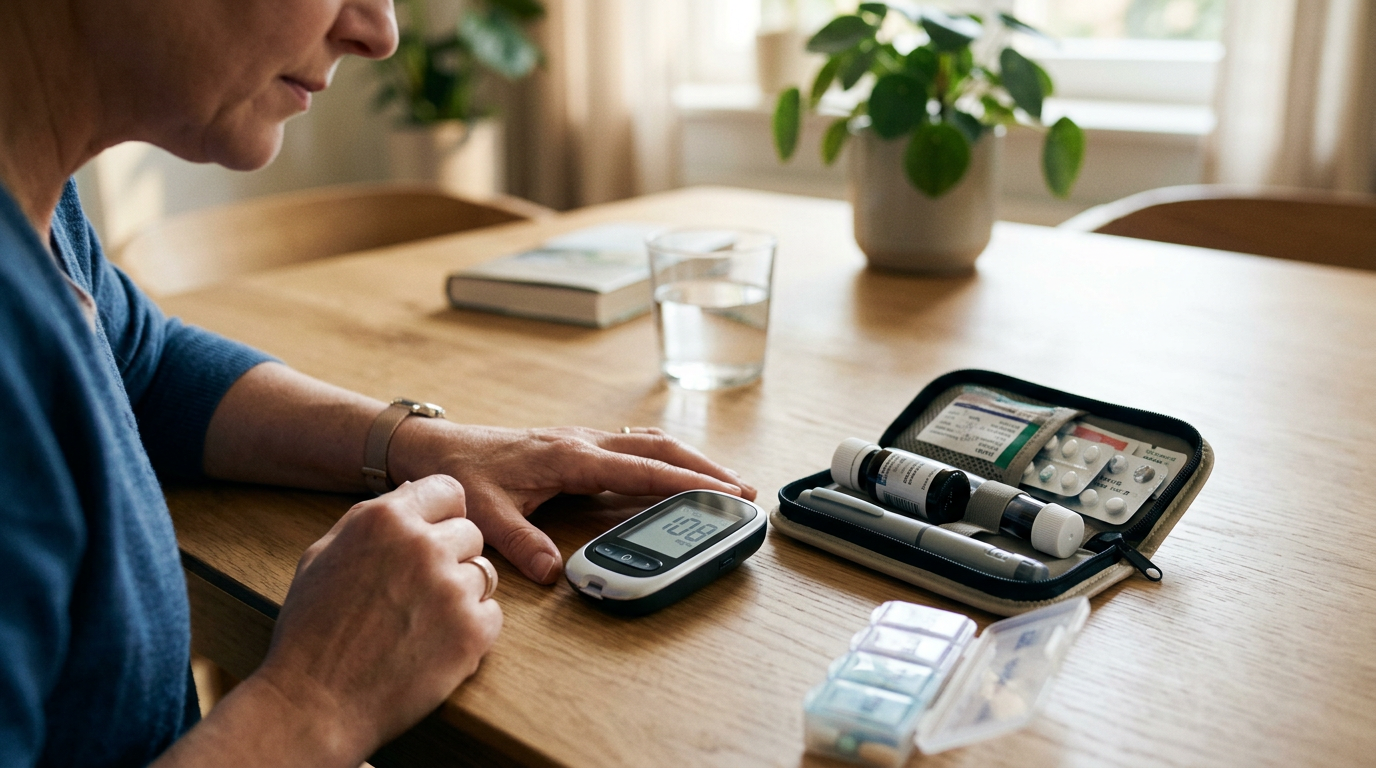
Continuous Glucose Monitors (CGMs) have revolutionized this process by providing real-time data. However, even traditional finger-stick testing provides the essential feedback needed to make informed daily decisions.
Understanding the Patterns
Keep a brief log of your readings alongside your meals. You might notice that a morning walk significantly lowers your post-breakfast spike, or that lack of sleep makes your fasting glucose higher.Identifying these patterns prevents the frustration of "unexplained" high numbers. It turns data into a roadmap for your personal health journey.
Stress Management and Sleep Hygiene
Many people overlook the impact of the nervous system on blood sugar. When you are stressed, your body enters "fight or flight" mode, releasing cortisol and adrenaline.
These hormones signal the liver to release stored glucose into the blood for a quick energy burst. If this stress is chronic, it can lead to persistently high glucose levels that are difficult to manage with diet alone.
Tips for Better Regulatory Health
- Practice deep breathing exercises for five minutes before meals.
- Maintain a consistent sleep schedule to regulate "hunger hormones" like ghrelin and leptin.
- Limit blue light exposure from screens an hour before bed to improve sleep quality.
The Importance of Gut Health in Glucose Control
Recent scientific research from institutions like Harvard and MIT has highlighted a shift in how we view metabolic health. While the pancreas is essential, we now know that the gut microbiome plays a critical role in how the body signals for insulin.
When the delicate balance of bacteria in your digestive system collapses, it can disrupt the communication between your gut and your brain. This breakdown often makes traditional diabetes management feel like an uphill battle, regardless of how strictly you diet.
If you find that standard methods aren't delivering the results you expect, focusing on the "Gut-Glucose Connection" may be the missing piece. Dr. Brian Karaan developed GutGlucose specifically to address this bacterial collapse using a oral liquid formula. By using the GutGlucose protocol to rebuild these internal colonies and reduce sugar absorption, you can support your body's natural ability to maintain balance from the inside out.
These statements have not been evaluated by the Food and Drug Administration. This product is not intended to diagnose, treat, cure, or prevent any disease.


Comments (0)
Log in to leave a comment
No comments yet. Be the first to comment!
Dr. Brian Karaan
Dr. Brian Karaan, MD. Mayo Clinic alumni. Functional medicine physician in Denver, CO for 28 years. Spent 22 years developing the gut-based protocol that Harvard confirmed in 2024. Treated 4,000+ patients. Created Sugar Harmony to bring the protocol to everyone who needs it.
View all posts
The Gut-Glucose Connection: What Controls Your Blood Sugar More Than Anything You've Been Prescribed
- The 5 foods that secretly spike your blood sugar
- The gut-glucose connection Harvard confirmed in 8,000 diabetics — and your doctor never mentioned
- The 3 bacterial failures happening in your gut right now that no medication is fixing
- Dr. Karaan's 3-day gut reset protocol to stop the damage before it goes further
- The morning routine that prepares your gut to regulate glucose before your first meal
- Why metformin, Ozempic, and every diet you've tried were aimed at the wrong organ
- The natural compounds that target the root cause — not the symptom