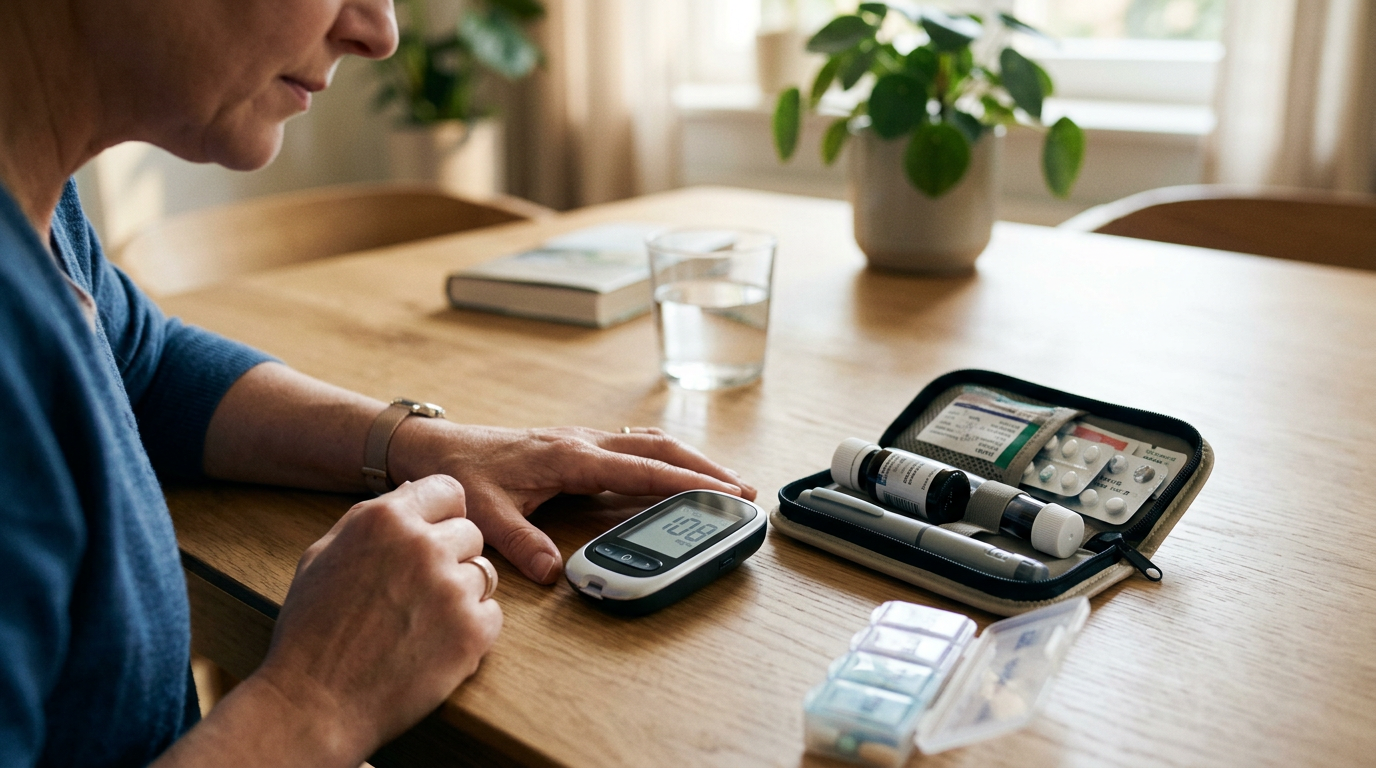
Diabetes Medications: A Guide to Managing Blood Sugar

Dr. Brian Karaan
Author
Standard Diabetes Medications and How They Work
Managing blood sugar levels effectively often requires more than just lifestyle changes. For many individuals, diabetes medications become a necessary tool to maintain health and prevent long-term complications.
Understanding how different drug classes interact with your body is essential for successful management. Whether they focus on insulin sensitivity or glucose production, these treatments aim to keep your A1C within a target range.
Understanding the Role of Diabetes Medications
When the body cannot effectively Use or produce enough insulin, blood glucose levels rise. The primary goal of most diabetes medications is to either increase insulin production, improve how the body uses existing insulin, or reduce the amount of glucose the liver produces.
Every patient’s journey is different, and what works for one person may not work for another. Physicians typically start with oral medications before considering injectable therapies or insulin protocols.
Common Classes of Oral Diabetes Medications
Oral medications are usually the first line of defense for Type 2 diabetes. These drugs work through several distinct biological pathways to lower blood sugar.
Biguanides (Metformin)
Metformin is the most commonly prescribed medication for Type 2 diabetes worldwide. It works by reducing the amount of glucose produced by the liver and improving the body's sensitivity to insulin. It is often favored because it carries a low risk of causing hypoglycemia (low blood sugar).SGLT2 Inhibitors
These medications work by preventing the kidneys from reabsorbing glucose back into the blood. Instead, the excess sugar is eliminated from the body through urine. This class of drugs has also shown benefits for heart and kidney health in specific patients.DPP-4 Inhibitors
Also known as gliptins, these drugs help the body continue to make insulin. They work by blocking the enzyme DPP-4, which destroys the hormones that tell the pancreas to produce insulin after a meal.Sulfonylureas
These are among the oldest classes of diabetes drugs. They work by directly stimulating the beta cells in the pancreas to release more insulin. While effective, they can sometimes lead to weight gain or low blood sugar episodes.Injectable Medications and Insulin Therapy
For many, oral pills are not enough to maintain "glycemic control." In these cases, doctors may transition to or add injectable options.
The Importance of the Digestive System in Glucose Control
Modern science is beginning to look beyond the pancreas and liver when studying blood sugar. Recent research highlights how the environment within the gut microbiome influences how we metabolize the food we eat.
When the bacterial colonies in the gut are disrupted, it can cause a "bacterial collapse" that interferes with how your body signals for insulin. This is why many traditional diabetes medications focus on the symptoms of high sugar rather than the underlying gut-glucose connection.
Maintaining a healthy internal environment is just as vital as any prescription. When your digestive system is in balance, your body can naturally process carbohydrates and sugars more efficiently.
While standard diabetes medications like Metformin or SGLT2 inhibitors provide essential support for many, addressing the foundational gut-glucose connection can further stabilize your progress. Dr. Brian Karaan developed GutGlucose specifically to help rebuild the bacterial signaling that modern lifestyle and medications often overlook. By using the oral delivery of GutGlucose to bypass a compromised digestive tract, you can support your body’s natural rhythm and find a deeper sense of metabolic balance.
These statements have not been evaluated by the Food and Drug Administration. This product is not intended to diagnose, treat, cure, or prevent any disease.


Comments (0)
Log in to leave a comment
No comments yet. Be the first to comment!
Dr. Brian Karaan
Dr. Brian Karaan, MD. Mayo Clinic alumni. Functional medicine physician in Denver, CO for 28 years. Spent 22 years developing the gut-based protocol that Harvard confirmed in 2024. Treated 4,000+ patients. Created Sugar Harmony to bring the protocol to everyone who needs it.
View all posts
The Gut-Glucose Connection: What Controls Your Blood Sugar More Than Anything You've Been Prescribed
- The 5 foods that secretly spike your blood sugar
- The gut-glucose connection Harvard confirmed in 8,000 diabetics — and your doctor never mentioned
- The 3 bacterial failures happening in your gut right now that no medication is fixing
- Dr. Karaan's 3-day gut reset protocol to stop the damage before it goes further
- The morning routine that prepares your gut to regulate glucose before your first meal
- Why metformin, Ozempic, and every diet you've tried were aimed at the wrong organ
- The natural compounds that target the root cause — not the symptom