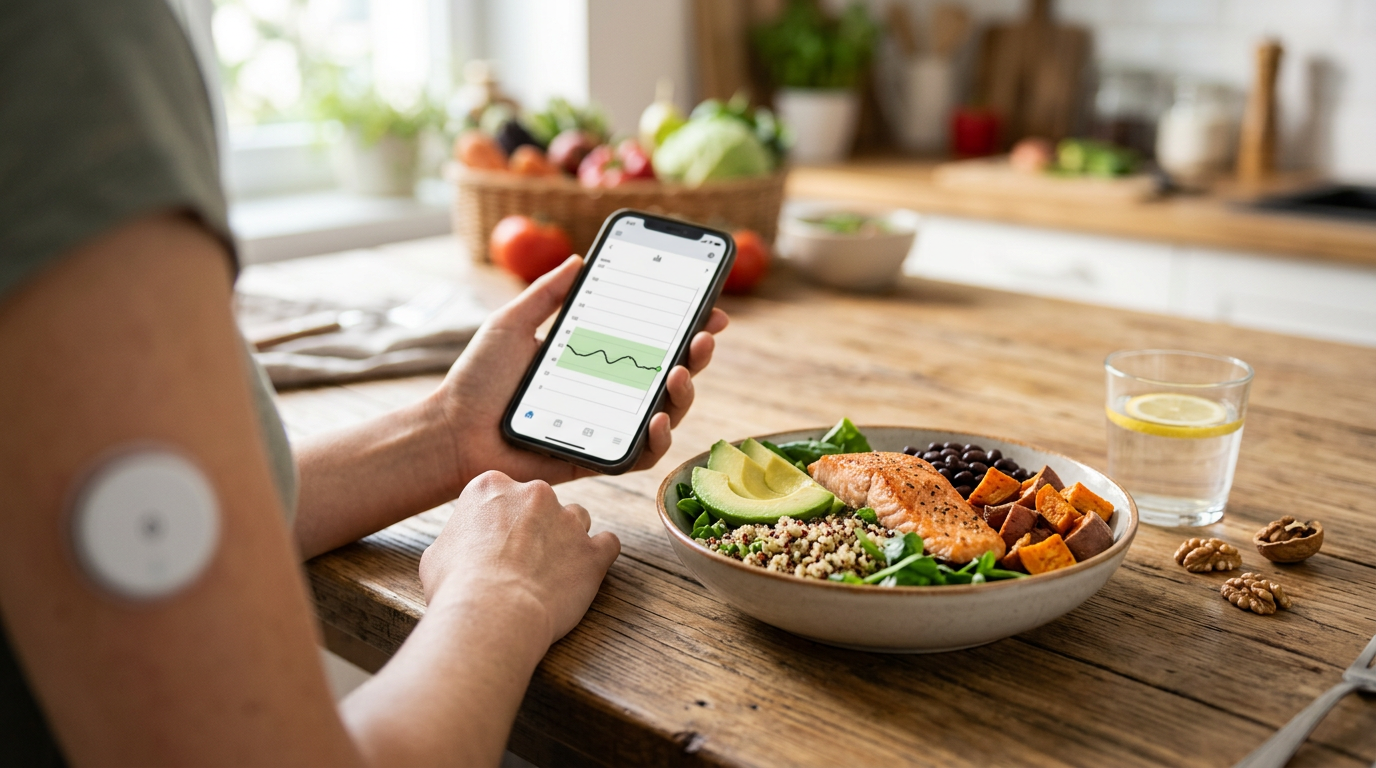
Glucose Levels: A Guide to Stable Blood Sugar

Dr. Brian Karaan
Author
Glucose Levels: A Guide to Balanced Blood Sugar
Managing your glucose levels is one of the most important things you can do for your long-term health. Whether you are living with a diagnosis or simply want to optimize your energy and focus, understanding how sugar interacts with your body is essential.
When we eat carbohydrates, our body breaks them down into glucose, which enters the bloodstream. This sugar serves as the primary fuel source for our cells, but the body must maintain a delicate balance to ensure these levels don't swing too high or too low.
What Are Normal Glucose Levels?
Blood sugar is measured in milligrams per deciliter (mg/dL). For most healthy individuals, a normal fasting glucose level is typically between 70 and 99 mg/dL.
After eating, it is natural for these numbers to rise as your body processes your meal. However, in a healthy metabolism, insulin quickly moves that sugar out of the bloodstream and into the cells, returning your levels to a baseline within two hours.
Target Ranges at a Glance
Symptoms of Glucose Imbalance
When your body cannot effectively regulate glucose, you may experience significant shifts in how you feel throughout the day. These fluctuations are often categorized as either hyperglycemia (high) or hypoglycemia (low).
Signs of High Blood Sugar (Hyperglycemia)
If your levels remain consistently elevated, you might notice increased thirst, frequent urination, and blurred vision. Over time, chronic high glucose can lead to fatigue and slow-healing wounds because the excess sugar damages blood vessels and nerves.Signs of Low Blood Sugar (Hypoglycemia)
On the other hand, a sudden drop in glucose can cause shakiness, sweating, irritability, and confusion. This occurs when the brain—which relies almost exclusively on glucose—isn't receiving the fuel it needs to function correctly.The Role of the Gut in Sugar Regulation
Recent scientific breakthroughs from institutions like Harvard and MIT have shifted our understanding of how the body manages sugar. While we used to focus solely on the pancreas and insulin, we now know that the gut microbiome plays a massive role in glucose signaling.
A healthy gut contains specific bacterial colonies that help "voice" the need for insulin. When these colonies collapse due to poor diet or environmental toxins, the signal to transport glucose becomes muffled. This is known as the gut-glucose connection.
5 Practical Ways to Stabilize Glucose Levels
You can take immediate steps to help your body manage sugar more effectively without relying solely on restrictive dieting.
The Impact of oral Absorption
Many people struggle with glucose management because their digestive systems are compromised, making it difficult to absorb traditional supplements or nutrients. This is why many experts are looking toward oral (under the tongue) delivery methods.
By bypassing the harsh environment of the stomach, beneficial compounds can enter the bloodstream directly. This ensures that the components meant to support the gut-glucose connection actually reach their destination.
Maintaining steady glucose levels is about more than just avoiding sweets; it is about supporting the internal communication systems of the body. When your gut and your metabolism are in sync, your energy remains stable, and your long-term health outlook improves.
While lifestyle changes are the foundation of healthy sugar management, some individuals find that rebuilding the bacterial "signaling" system in the gut provides the missing piece of the puzzle. Dr. Brian Karaan developed GutGlucose to specifically address this gut-glucose connection using a oral formula that bypasses digestive breakdown. By utilizing the "Gut Guardian" and "Sugar Destroyer" compounds, GutGlucose helps restore the internal coordination required to keep your levels in a healthy range naturally.
These statements have not been evaluated by the Food and Drug Administration. This product is not intended to diagnose, treat, cure, or prevent any disease.


Comments (0)
Log in to leave a comment
No comments yet. Be the first to comment!

Dr. Brian Karaan
Dr. Brian Karaan, MD. Mayo Clinic alumni. Functional medicine physician in Denver, CO for 28 years. Spent 22 years developing the gut-based protocol that Harvard confirmed in 2024. Treated 4,000+ patients. Created Sugar Harmony to bring the protocol to everyone who needs it.
View all posts
The Gut-Glucose Connection: What Controls Your Blood Sugar More Than Anything You've Been Prescribed
- The 5 foods that secretly spike your blood sugar
- The gut-glucose connection Harvard confirmed in 8,000 diabetics — and your doctor never mentioned
- The 3 bacterial failures happening in your gut right now that no medication is fixing
- Dr. Karaan's 3-day gut reset protocol to stop the damage before it goes further
- The morning routine that prepares your gut to regulate glucose before your first meal
- Why metformin, Ozempic, and every diet you've tried were aimed at the wrong organ
- The natural compounds that target the root cause — not the symptom