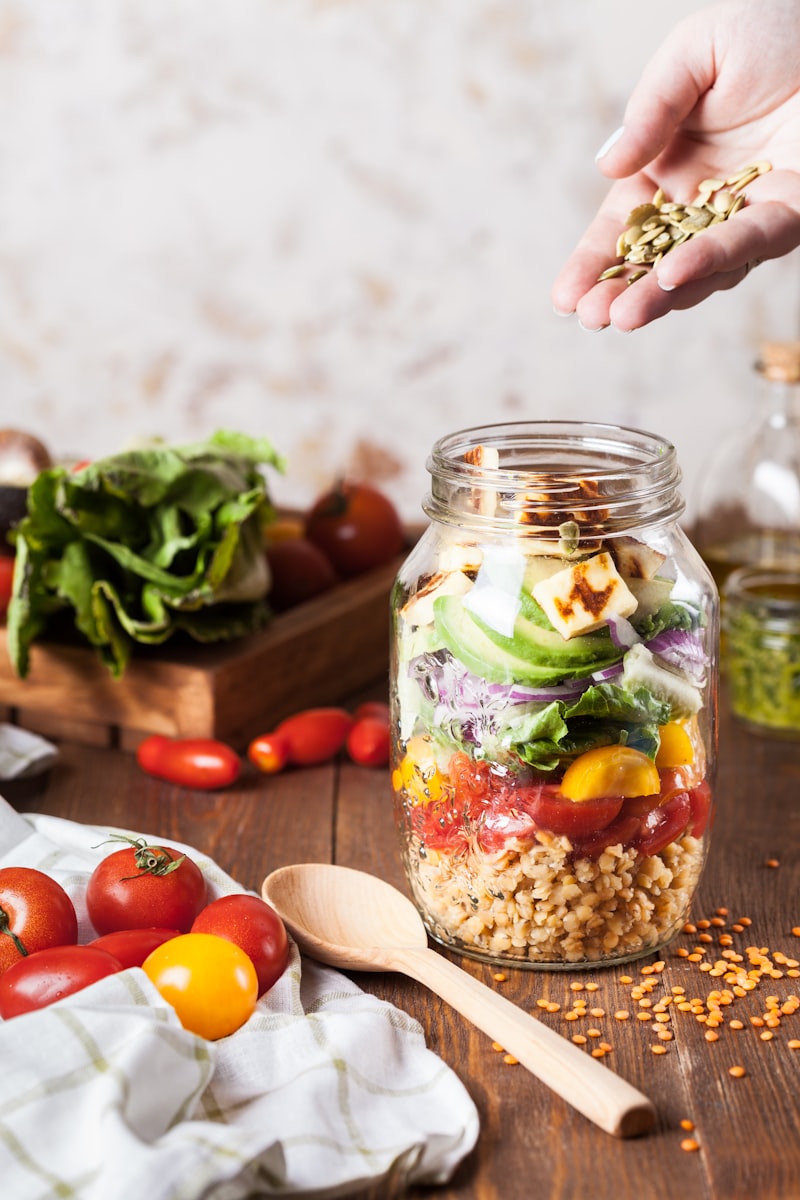
How Blood Sugar Impacts Every System in Your Body

Dr. Brian Karaan
Author
The Hidden Cost of Glucose Spikes
Most people think blood sugar is only relevant if you have diabetes. That assumption is dangerously wrong. Every time you eat, your body orchestrates a complex hormonal cascade — and the magnitude of your glucose response determines how well dozens of downstream systems function.
In my clinic, I've seen patients with "normal" fasting glucose who nonetheless experience afternoon brain fog, poor sleep, and stubborn weight gain. The common thread? Postprandial glucose spikes that their standard lab work never captured.
Your fasting glucose is a snapshot. Your post-meal glucose is the movie. And the movie tells a very different story.
— Dr. Robert Lustig
What Happens During a Spike
When blood sugar rises rapidly after a meal, your pancreas releases a surge of insulin. This isn't inherently bad — it's the system working as designed. But when spikes are frequent and steep, several problems emerge:
The Gut Connection
Your gut microbiome is remarkably sensitive to glucose variability. Research from the Weizmann Institute demonstrated that identical meals produce wildly different glycemic responses in different people — and the microbiome composition was one of the strongest predictors.
Here's what the data shows:
Building a Glucose-Friendly Plate
The good news: you don't need to eliminate carbohydrates. You need to dress them properly. Here's my clinical framework:
The F-P-F Method
This sequence leverages gastric emptying rates. Fat and protein slow stomach emptying, blunting the glucose surge from carbohydrates eaten afterward. A 2023 study in Diabetes Care showed this simple reordering reduced post-meal glucose peaks by 38% on average.
Practical Swaps
| Instead of | Try |
|---|---|
| Orange juice at breakfast | Whole orange after eggs |
| Pasta as the main course | Pasta as a side, after a large salad |
| Cereal with skim milk | Greek yogurt with berries and walnuts |
| White rice bowl | Rice cooled and reheated (increases resistant starch) |
Movement as Medicine
A 15-minute walk after meals is one of the most powerful glucose-lowering interventions available — and it requires no prescription. Skeletal muscle contraction activates GLUT4 transporters, pulling glucose from the bloodstream independently of insulin.
My recommendation to every patient: move within 30 minutes of finishing a meal. It doesn't need to be intense. Washing dishes, walking the dog, or gentle stretching all count.
Monitoring Without Obsessing
Continuous glucose monitors (CGMs) have moved from clinical tools to consumer wellness devices. While I'm enthusiastic about the data they provide, I caution against two extremes:
The goal isn't perfection. The goal is awareness — understanding which meals, timing patterns, and lifestyle habits push your glucose outside a healthy range, and making sustainable adjustments.
The Bottom Line
Blood sugar management isn't a niche concern for diabetics. It's a foundational lever for energy, mood, cognitive performance, gut health, and long-term disease prevention. Start with the F-P-F method, add a post-meal walk, and pay attention to how your body responds. The results will speak for themselves.


Comments (0)
Log in to leave a comment
No comments yet. Be the first to comment!

Dr. Brian Karaan
Dr. Brian Karaan, MD. Mayo Clinic alumni. Functional medicine physician in Denver, CO for 28 years. Spent 22 years developing the gut-based protocol that Harvard confirmed in 2024. Treated 4,000+ patients. Created Sugar Harmony to bring the protocol to everyone who needs it.
View all posts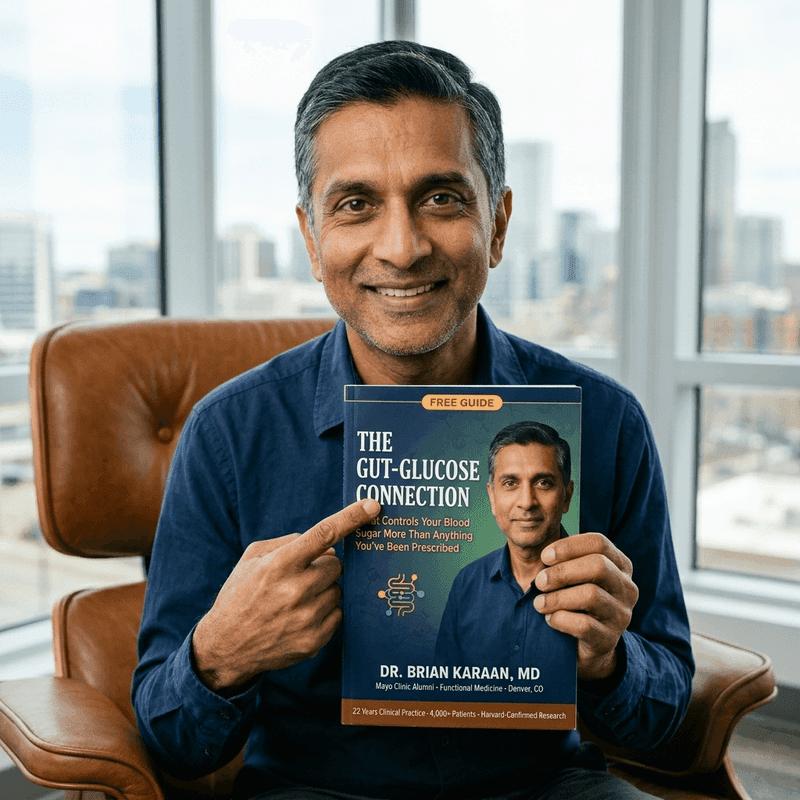
The Gut-Glucose Connection: What Controls Your Blood Sugar More Than Anything You've Been Prescribed
- The 5 foods that secretly spike your blood sugar
- The gut-glucose connection Harvard confirmed in 8,000 diabetics — and your doctor never mentioned
- The 3 bacterial failures happening in your gut right now that no medication is fixing
- Dr. Karaan's 3-day gut reset protocol to stop the damage before it goes further
- The morning routine that prepares your gut to regulate glucose before your first meal
- Why metformin, Ozempic, and every diet you've tried were aimed at the wrong organ
- The natural compounds that target the root cause — not the symptom