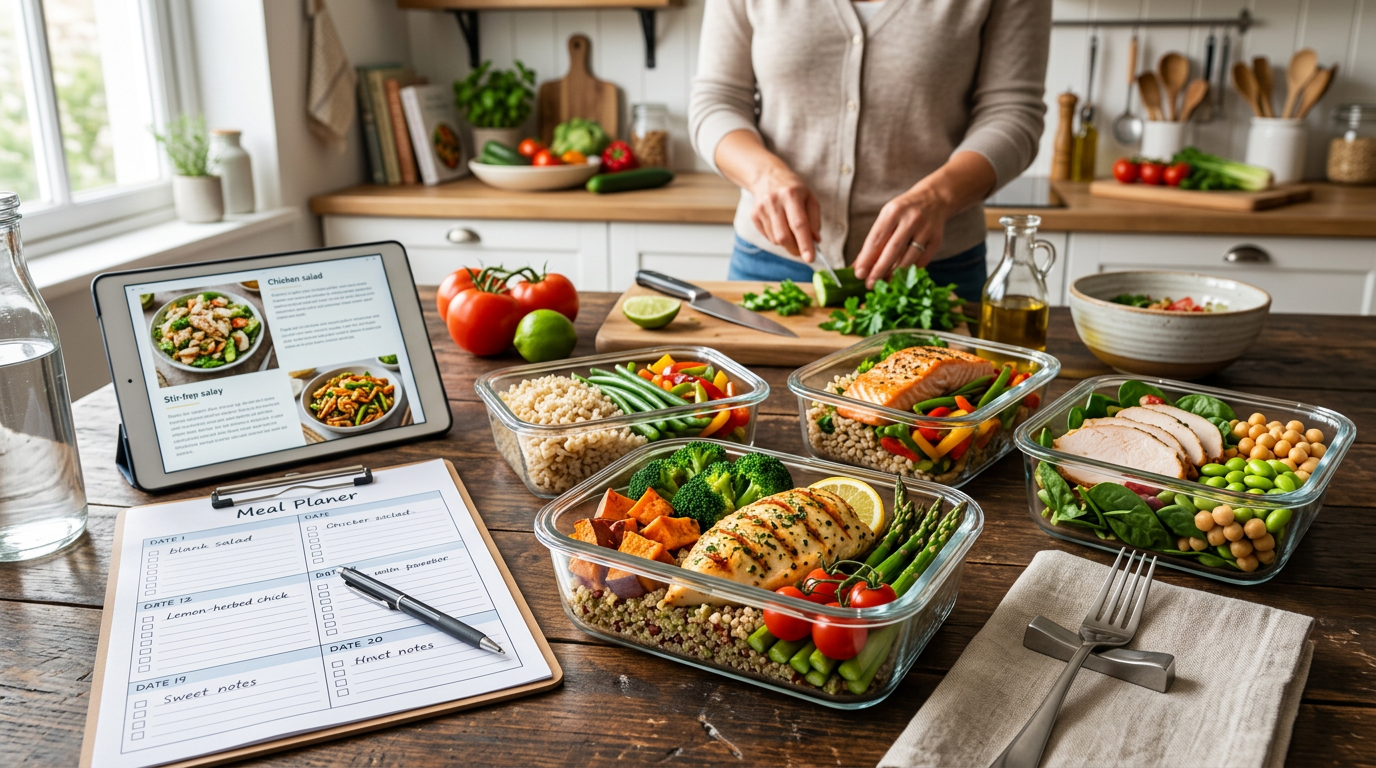
How to Create an Effective Diabetes Meal Plan for Better Health

Dr. Brian Karaan
Author
Creating a Sustainable Diabetes Meal Plan for Balanced Blood Sugar
Creating a diabetes meal plan is one of the most effective ways to manage your blood sugar levels and improve your overall health. While many people view a "diet" as restrictive, a successful plan is actually about balance, timing, and choosing nutrient-dense foods.
Managing your glucose isn't just about cutting out sugar; it is about understanding how different macronutrients affect your body. By fueling yourself correctly, you can stabilize energy levels and prevent the long-term complications associated with high blood sugar.
The Foundations of an Effective Diabetes Meal Plan
The goal of any nutritional strategy for diabetes is to keep blood glucose levels within a target range. This typically involves monitoring carbohydrate intake, as carbs have the most direct impact on blood sugar.
A well-rounded meal plan focuses on "slow-burning" fuel sources. These are foods that digest slowly, preventing the sharp insulin spikes that can lead to energy crashes and cellular damage.
The Power of the Plate Method
The "Plate Method" is a simple, visual way to ensure you are getting the right balance of nutrients without needing a calculator. It helps control portion sizes naturally while prioritizing high-fiber foods.
Choosing the Right Carbohydrates
Not all carbohydrates are created equal when you are following a diabetes meal plan. The Glycemic Index (GI) is a helpful tool that ranks foods by how quickly they raise blood glucose.
Low-GI foods, such as lentils, oats, and non-starchy vegetables, are absorbed more slowly. This gradual absorption allows your body to process glucose more efficiently without overwhelming your system.
Fiber: Your Secret Weapon
Fiber is a type of carbohydrate that the body cannot digest. Because it passes through the system without being broken down into sugar, it helps regulate the body's use of glucose.
Aim for at least 25 to 35 grams of fiber per day. High-fiber foods like beans, berries, and seeds not only improve digestion but also help keep you feeling full for longer periods.
Why Consistency and Timing Matter
When you eat is often just as important as what you eat. Skipping meals can cause your blood sugar to drop too low, leading to overeating and subsequent spikes later in the day.
Eating at regular intervals helps your body maintain a steady metabolic rate. Try to space your meals 4 to 6 hours apart, and consider small, protein-rich snacks if you find your energy dipping between meals.
Hydration and Blood Sugar
Water plays a vital role in managing blood sugar. Dehydration can lead to more concentrated glucose levels in the bloodstream, making your readings appear higher than they actually are.
Avoid sugary sodas, sweetened teas, and fruit juices that provide "empty calories." Stick to water, herbal teas, or sparkling water with a squeeze of lime to stay hydrated without the sugar load.
Smart Swaps for Everyday Success
Transitioning to a diabetes meal plan doesn't mean you have to give up your favorite flavors. It simply means finding healthier alternatives that satisfy your cravings.
These small changes reduce the total glycemic load of your meals while increasing the nutritional density of your diet. Over time, these habits become second nature.
The Role of the Gut in Nutrient Absorption
Recent scientific research highlights that how we process a diabetes meal plan depends heavily on our internal environment. Your gut microbiome acts as the "gatekeeper" for how sugar enters your bloodstream from the foods you eat.
When the bacterial colonies in your gut are imbalanced, your body may absorb sugar too rapidly, regardless of how healthy your meal is. Supporting these internal signals can make your nutritional efforts significantly more effective.
If you find that even the best diabetes meal plan isn't providing the stability you need, it might be time to address the gut-glucose connection directly. A balanced microbiome helps restore the natural signaling required for insulin to work efficiently at the source. Using a specialized daily ritual like GutGlucose can help rebuild those essential bacterial colonies and reduce sugar absorption by up to 50%. By taking one GutGlucose capsule each morning, you provide your body with the "Missing General" needed to coordinate your metabolic health from the inside out.
These statements have not been evaluated by the Food and Drug Administration. This product is not intended to diagnose, treat, cure, or prevent any disease.


Comments (0)
Log in to leave a comment
No comments yet. Be the first to comment!
Dr. Brian Karaan
Dr. Brian Karaan, MD. Mayo Clinic alumni. Functional medicine physician in Denver, CO for 28 years. Spent 22 years developing the gut-based protocol that Harvard confirmed in 2024. Treated 4,000+ patients. Created Sugar Harmony to bring the protocol to everyone who needs it.
View all posts
The Gut-Glucose Connection: What Controls Your Blood Sugar More Than Anything You've Been Prescribed
- The 5 foods that secretly spike your blood sugar
- The gut-glucose connection Harvard confirmed in 8,000 diabetics — and your doctor never mentioned
- The 3 bacterial failures happening in your gut right now that no medication is fixing
- Dr. Karaan's 3-day gut reset protocol to stop the damage before it goes further
- The morning routine that prepares your gut to regulate glucose before your first meal
- Why metformin, Ozempic, and every diet you've tried were aimed at the wrong organ
- The natural compounds that target the root cause — not the symptom