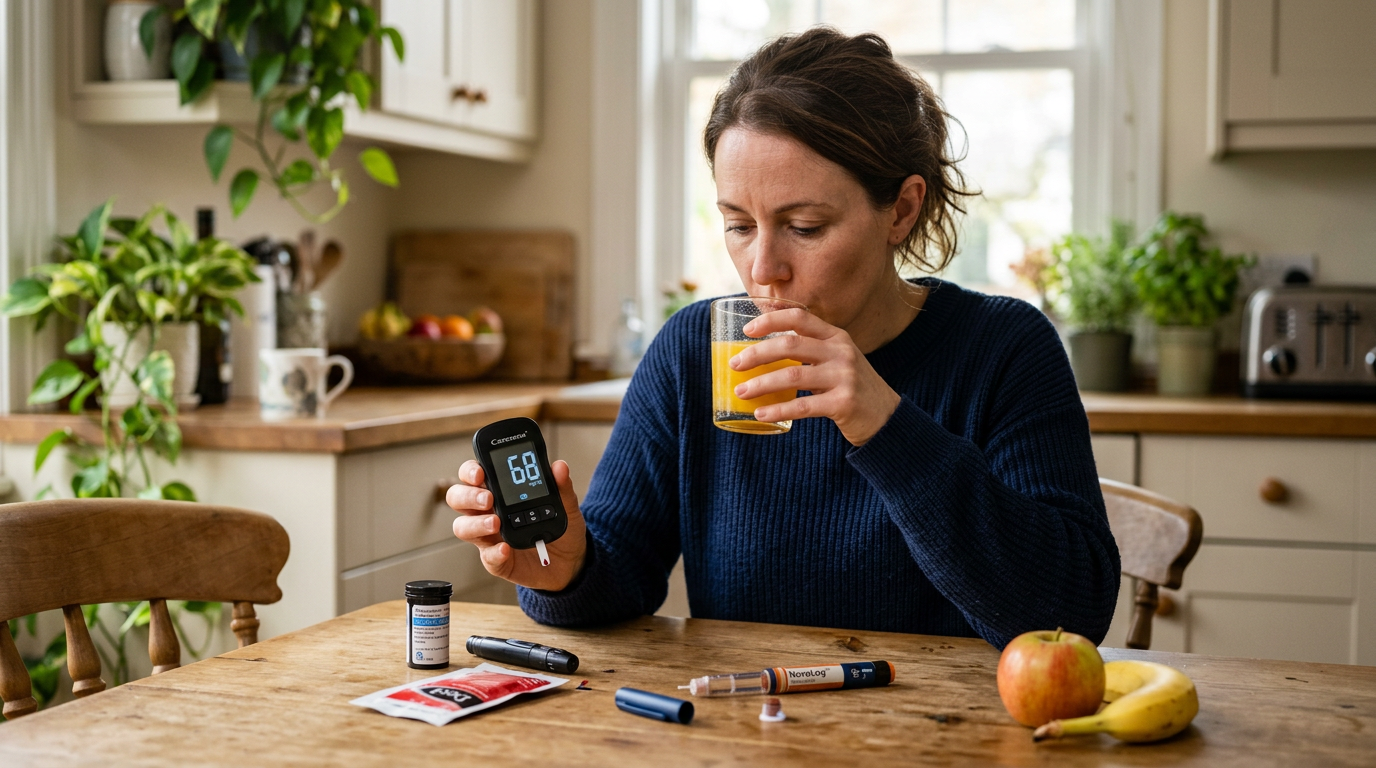
How to Identify and Manage Low Blood Sugar Effectively

Dr. Brian Karaan
Author
Understanding Low Blood Sugar: Causes, Symptoms, and Management
Low blood sugar, clinically known as hypoglycemia, occurs when the levels of glucose in your blood drop below the healthy range. While much of the conversation around metabolic health focuses on high levels, low blood sugar can be equally dangerous and requires immediate attention to prevent serious complications.
Glucose is the primary fuel source for your body and brain. When these levels dip too low—typically below 70 mg/dL—your systems begin to struggle, leading to a cascade of physical and neurological symptoms. Understanding how to recognize and treat these episodes is a vital part of long-term health management.
Common Causes of Low Blood Sugar
Hypoglycemia is most frequently seen in individuals managing diabetes, but it can affect others under specific circumstances. For those on medication, taking too much insulin or certain oral medications can cause a sharp decline in glucose levels.Skipping meals or eating significantly fewer carbohydrates than usual can also trigger an episode. When your body expects a steady supply of fuel that doesn't arrive, your blood glucose can plummet, especially if you are physically active.
Excessive physical activity without proper caloric adjustment is another common culprit. Exercise increases your muscles' sensitivity to insulin, meaning your body uses glucose more efficiently, which can lead to a deficit if not monitored closely.
Recognizing the Early Warning Symptoms
The body is often very vocal when low blood sugar begins to take hold. Early recognition of these "red flags" can allow you to intervene before the situation becomes an emergency.Common early symptoms include:
- Sudden shakiness or jitteriness
- Excessive sweating or "cold sweats"
- Intense hunger or nausea
- Rapid heartbeat or palpitations
- Dizziness and lightheadedness
The Rule of 15 for Treatment
If you suspect your blood sugar is low, the "Rule of 15" is a gold-standard protocol recommended by many health professionals. This method provides a structured way to raise glucose safely without causing a massive "rebound" spike.Why Reactive Hypoglycemia Happens
Some individuals experience low blood sugar even without having diabetes. This is often referred to as reactive hypoglycemia, which typically occurs within four hours after a meal.This happens when the body overproduces insulin in response to a high-carbohydrate meal. The excess insulin clears too much glucose from the blood, leading to a "crash." Focusing on complex carbohydrates and pairing them with healthy fats and proteins can help stabilize this response.
Preventing Nocturnal Hypoglycemia
Many people struggle with low levels during the night, known as nocturnal hypoglycemia. This can be particularly frightening because symptoms like nightmares or damp sheets (from sweating) might be missed while sleeping.To prevent nighttime drops, consider a small snack containing protein and complex carbs before bed. Monitoring your evening activity levels and adjusting your late-day routine can also provide better stability throughout the night.
The Role of Gut Health in Glucose Stability
Modern research is uncovering a fascinating link between the health of our microbiome and how our bodies process sugar. When the bacterial colonies in the gut are imbalanced, the signals that tell our body how to manage insulin and glucose can become "noisy" or disrupted.Addressing the gut-glucose connection is a proactive way to support more consistent levels. By maintaining a healthy internal environment, you assist your body's natural ability to regulate glucose, potentially reducing the frequency of both spikes and dangerous drops.
Managing the fluctuations of low blood sugar requires more than just reactive treatments; it demands a focus on the underlying signals within your body. While the "Rule of 15" is essential for emergencies, supporting your gut microbiome can help rebuild the internal coordination needed for lasting stability. If you're looking to strengthen these signals at the source, GutGlucose offers a unique oral approach designed by Dr. Brian Karaan to restore the bacterial colonies that guide glucose metabolism. Incorporating GutGlucose into your morning routine may help provide the steady foundation your body needs to avoid the roller coaster of highs and lows.
These statements have not been evaluated by the Food and Drug Administration. This product is not intended to diagnose, treat, cure, or prevent any disease.


Comments (0)
Log in to leave a comment
No comments yet. Be the first to comment!

Dr. Brian Karaan
Dr. Brian Karaan, MD. Mayo Clinic alumni. Functional medicine physician in Denver, CO for 28 years. Spent 22 years developing the gut-based protocol that Harvard confirmed in 2024. Treated 4,000+ patients. Created Sugar Harmony to bring the protocol to everyone who needs it.
View all posts
The Gut-Glucose Connection: What Controls Your Blood Sugar More Than Anything You've Been Prescribed
- The 5 foods that secretly spike your blood sugar
- The gut-glucose connection Harvard confirmed in 8,000 diabetics — and your doctor never mentioned
- The 3 bacterial failures happening in your gut right now that no medication is fixing
- Dr. Karaan's 3-day gut reset protocol to stop the damage before it goes further
- The morning routine that prepares your gut to regulate glucose before your first meal
- Why metformin, Ozempic, and every diet you've tried were aimed at the wrong organ
- The natural compounds that target the root cause — not the symptom