
Hyperglycemia Symptoms: How to Identify High Blood Sugar Early

Dr. Brian Karaan
Author
Hyperglycemia Symptoms: Recognizing the Warning Signs of High Blood Sugar
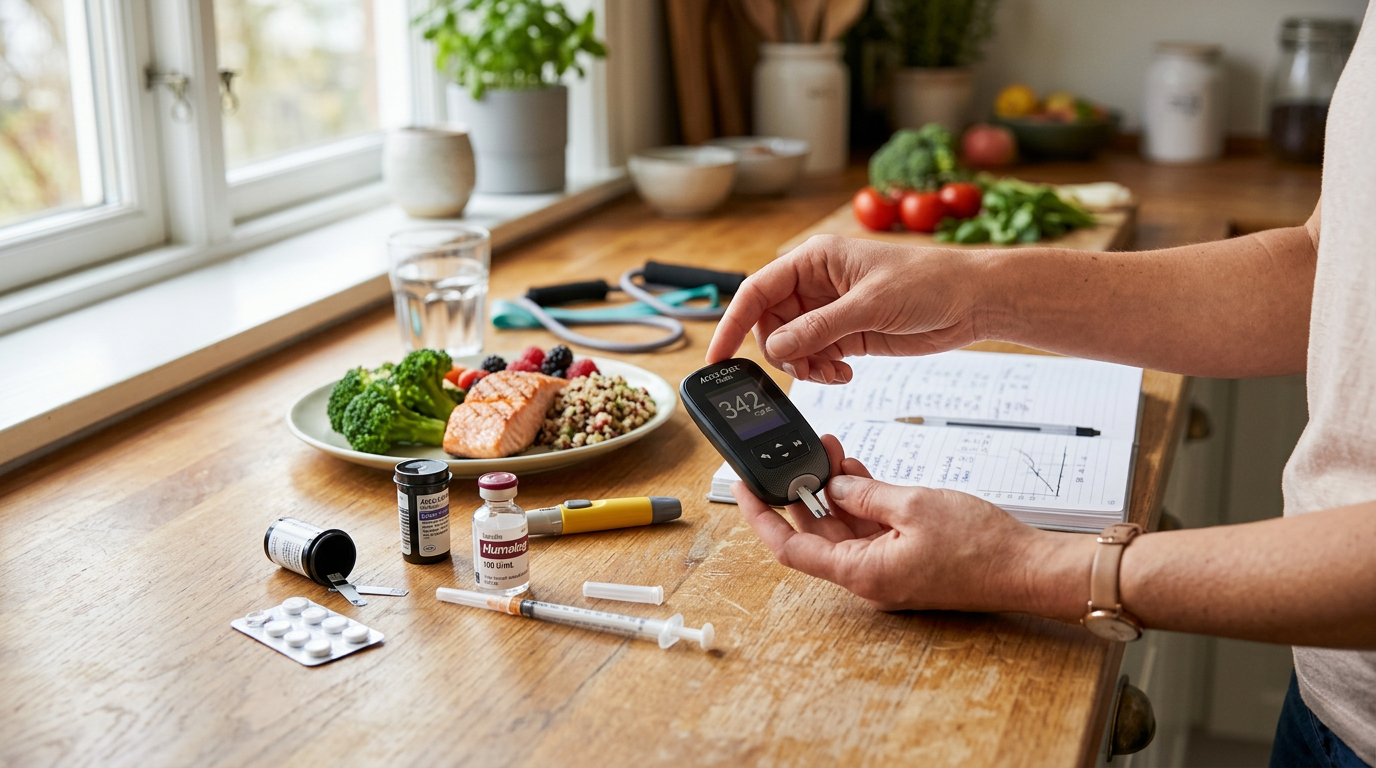
Understanding hyperglycemia symptoms is one of the most critical skills for anyone managing their metabolic health. Hyperglycemia, or high blood glucose, occurs when there is too much sugar in the blood because the body lacks enough insulin or cannot use it effectively.
If left unaddressed, chronically high blood sugar levels can lead to serious complications, including nerve damage, kidney issues, and cardiovascular disease. Identifying the early "red flags" allows you to take action before these symptoms progress into a medical emergency.
Common Early Symptoms of Hyperglycemia
When blood sugar levels begin to rise, the body often sends subtle signals. These early warning signs are the body’s way of trying to regain balance and flush out excess glucose.
Increased Thirst and Frequent Urination
Excess sugar in the bloodstream forces your kidneys to work overtime to filter and absorb it. When your kidneys can't keep up, the excess sugar is excreted into your urine, dragging fluids from your tissues along with it.This process leads to polydipsia (excessive thirst) and polyuria (frequent urination). If you find yourself waking up multiple times a night to use the bathroom or feeling like you can never drink enough water, your blood sugar may be elevated.
Fatigue and Weakness
You might assume that more sugar in the blood means more energy, but the opposite is true. If the glucose cannot enter your cells to be used for fuel, you will feel persistently tired and lethargic.Blurred Vision
High levels of blood sugar can cause the lenses in your eyes to swell. This change in shape affects your ability to focus, leading to temporary blurred vision that fluctuates based on your glucose readings.Red Flags of Progressed High Blood Sugar
If blood sugar remains high for extended periods, the symptoms become more pronounced and physically taxing. These often indicate that the metabolic system is under significant stress.
Unexplained Weight Loss
When your body cannot get the energy it needs from glucose, it starts burning fat and muscle for fuel instead. This can lead to rapid, unintentional weight loss, even if your appetite has increased.Slow-Healing Wounds
High blood sugar can impair blood circulation and damage the body's natural healing processes. This makes it harder for the body to repair even minor cuts, scrapes, or bruises, increasing the risk of infection.Recurrent Infections
Bacteria and yeast thrive in high-sugar environments. Frequent vaginal yeast infections, skin infections, or urinary tract infections (UTIs) are often secondary indicators of uncontrolled hyperglycemia.Emergency Symptoms: Diabetic Ketoacidosis (DKA)
In severe cases, particularly in Type 1 diabetes but occasionally in Type 2, extremely high blood sugar can lead to a life-threatening condition called DKA. This happens when the body produces high levels of blood acids called ketones.
Seek immediate medical attention if you experience:
- Breath that smells fruity (acetone)
- Nausea and vomiting
- Severe abdominal pain
- Shortness of breath
- Extreme confusion or disorientation
Managing the Gut-Glucose Connection
Modern research, including recent studies from Harvard and MIT, suggests that the root of hyperglycemia symptoms may actually lie in the gut microbiome. When the delicate balance of bacteria in your digestive system collapses, the "signals" that tell your body how to process sugar become garbled.
By focusing on rebuilding these internal bacterial colonies, it is possible to restore the natural communication between your gut and your metabolic system. Supporting a healthy microbiome helps ensure that the sugar you consume is processed efficiently rather than lingering in the bloodstream.
If you find yourself struggling with persistent thirst or fatigue despite your best efforts, consider the role of your digestive health. GutGlucose was designed by Dr. Brian Karaan to target the bacterial collapse that often triggers these spikes. By using the "Sugar Destroyer" compound within GutGlucose, you can help reduce the absorption of excess glucose at the source and restore metabolic harmony.
These statements have not been evaluated by the Food and Drug Administration. This product is not intended to diagnose, treat, cure, or prevent any disease.


Comments (0)
Log in to leave a comment
No comments yet. Be the first to comment!
Dr. Brian Karaan
Dr. Brian Karaan, MD. Mayo Clinic alumni. Functional medicine physician in Denver, CO for 28 years. Spent 22 years developing the gut-based protocol that Harvard confirmed in 2024. Treated 4,000+ patients. Created Sugar Harmony to bring the protocol to everyone who needs it.
View all posts
The Gut-Glucose Connection: What Controls Your Blood Sugar More Than Anything You've Been Prescribed
- The 5 foods that secretly spike your blood sugar
- The gut-glucose connection Harvard confirmed in 8,000 diabetics — and your doctor never mentioned
- The 3 bacterial failures happening in your gut right now that no medication is fixing
- Dr. Karaan's 3-day gut reset protocol to stop the damage before it goes further
- The morning routine that prepares your gut to regulate glucose before your first meal
- Why metformin, Ozempic, and every diet you've tried were aimed at the wrong organ
- The natural compounds that target the root cause — not the symptom