Low Blood Sugar Symptoms: A Guide to Hypoglycemia

Dr. Brian Karaan
Author
Low Blood Sugar Symptoms: What Your Body Is Trying to Tell You
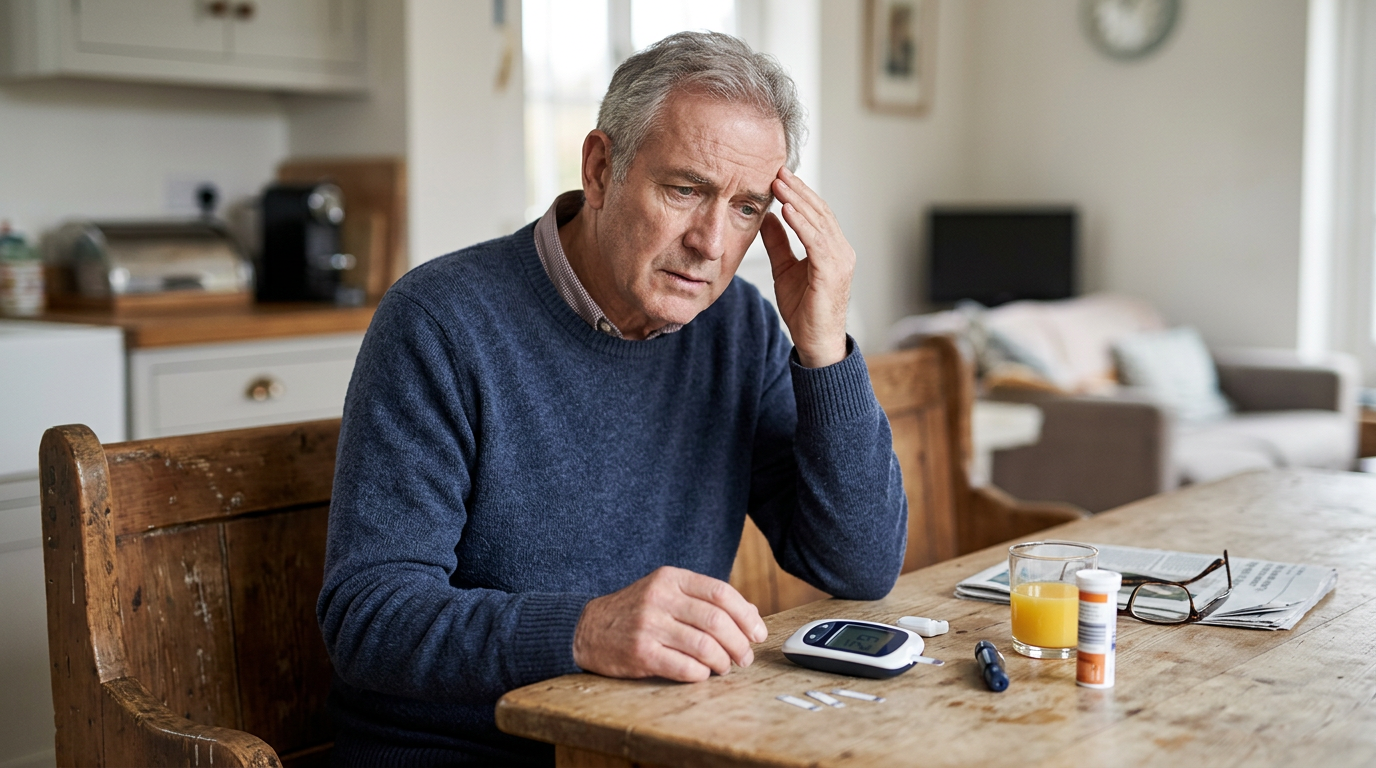
Recognizing low blood sugar symptoms is a critical skill for anyone managing metabolic health. Hypoglycemia occurs when your blood glucose levels drop below the normal range, typically defined as less than 70 mg/dL.
While many people focus on high blood sugar, the immediate dangers of a sudden drop can be just as serious. Understanding these warning signs allows you to take action before a mild dip becomes a medical emergency.
Early Warning Signs of Hypoglycemia
When your glucose levels begin to fall, your body triggers a "fight or flight" response. This release of adrenaline is responsible for the most common early-stage symptoms.
Most individuals will feel a sense of shakiness or jitters as the nervous system responds to the lack of fuel. You might notice your hands trembling or an internal feeling of anxiety that seems to come out of nowhere.
Common Physical Indicators
Cognitive and Emotional Symptoms
Your brain is the primary consumer of glucose in the body. Unlike other organs, the brain cannot store sugar, meaning it relies on a constant supply from the bloodstream.
When that supply is interrupted, cognitive function begins to decline. You might find it difficult to concentrate on a simple task or feel a sudden "brain fog" that makes communication frustrating.
Behavioral Changes to Watch For
Why Low Blood Sugar Occurs
Understanding why your sugar drops is just as important as knowing the symptoms. In people with diabetes, this often happens due to an imbalance between medication, physical activity, and carbohydrate intake.
Eating too few carbohydrates or delaying a meal after taking insulin can trigger a rapid decline. Similarly, intense exercise can burn through glucose stores faster than your body can replenish them.
Nocturnal Hypoglycemia
It is also possible to experience low blood sugar while you sleep. You might wake up with a headache, damp sheets from sweating, or feeling unusually tired despite a full night's rest.How to Respond to Low Blood Sugar symptoms
If you suspect your blood sugar is low, the first step is to check your levels with a glucose meter. If you are below 70 mg/dL, the medical community recommends the 15-15 Rule.
Once your levels return to a safe range, eating a small snack with protein and complex carbs—like peanut butter on whole-grain crackers—can help stabilize your levels and prevent another drop.
The Role of the Gut in Glucose Stability
While traditional approaches focus heavily on the pancreas, modern research highlights the importance of the gut-glucose connection. A healthy microbiome helps regulate how quickly sugars enter the bloodstream and how effectively the body signals for more fuel.
When the bacterial colonies in the gut are disrupted, the communication between your digestive system and your metabolic organs can break down. This imbalance often leads to the unpredictable "rollercoaster" of highs and lows that many people struggle to control.
Maintaining a steady glucose rhythm is easier when your internal signaling is restored. Because low blood sugar symptoms often stem from a breakdown in how the body processes nutrients, utilizing a oral support like GutGlucose can be a helpful addition to your routine. By focusing on the "Missing General" in your gut, GutGlucose supports the natural coordination required for metabolic balance and smoother transitions between meals.
These statements have not been evaluated by the Food and Drug Administration. This product is not intended to diagnose, treat, cure, or prevent any disease.


Comments (0)
Log in to leave a comment
No comments yet. Be the first to comment!
Dr. Brian Karaan
Dr. Brian Karaan, MD. Mayo Clinic alumni. Functional medicine physician in Denver, CO for 28 years. Spent 22 years developing the gut-based protocol that Harvard confirmed in 2024. Treated 4,000+ patients. Created Sugar Harmony to bring the protocol to everyone who needs it.
View all posts
The Gut-Glucose Connection: What Controls Your Blood Sugar More Than Anything You've Been Prescribed
- The 5 foods that secretly spike your blood sugar
- The gut-glucose connection Harvard confirmed in 8,000 diabetics — and your doctor never mentioned
- The 3 bacterial failures happening in your gut right now that no medication is fixing
- Dr. Karaan's 3-day gut reset protocol to stop the damage before it goes further
- The morning routine that prepares your gut to regulate glucose before your first meal
- Why metformin, Ozempic, and every diet you've tried were aimed at the wrong organ
- The natural compounds that target the root cause — not the symptom