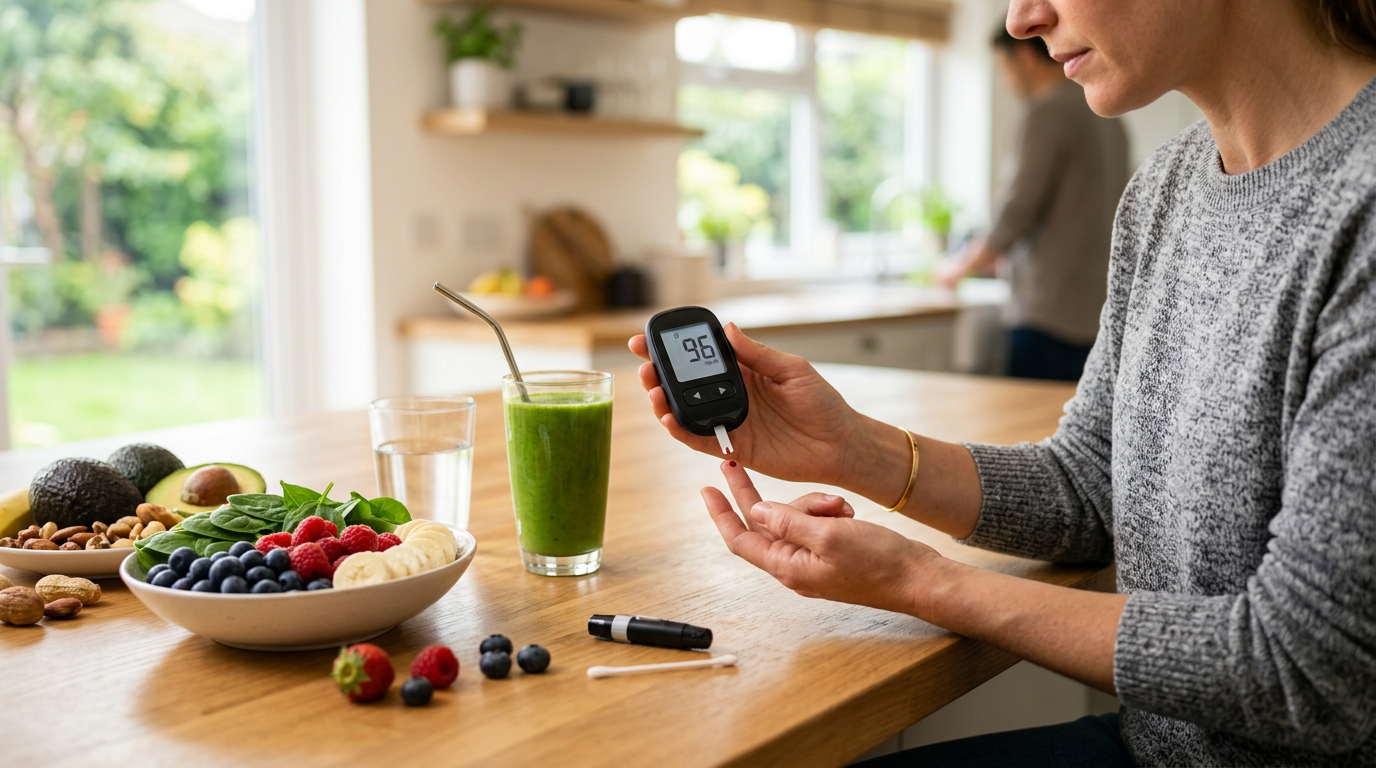
Mastering Your Blood Glucose Levels: A Guide to Metabolic Health

Dr. Brian Karaan
Author
Understanding Blood Glucose Levels for Long-Term Health
Managing your blood glucose levels is one of the most significant things you can do to protect your long-term health. Whether you are living with a diagnosis or simply want to optimize your energy and focus, understanding how sugar moves through your bloodstream is essential.
When we eat carbohydrates, our bodies break them down into glucose, which serves as the primary energy source for our cells. However, maintaining the right balance is a delicate dance between the food you eat, your physical activity, and your internal hormonal signaling.
What Are Normal Blood Glucose Levels?
For most healthy adults, a normal fasting blood sugar level is typically between 70 and 99 mg/dL. After eating, these levels naturally rise as your body processes nutrients, but they should generally return to under 140 mg/dL within two hours.
When these numbers stay consistently high, it can lead to a condition known as hyperglycemia. Over time, elevated glucose can damage blood vessels and nerves, leading to the complications often associated with chronic metabolic issues.
The Role of Insulin Sensitivity
Insulin acts as a "key" that allows glucose to enter your cells. If your cells become less responsive to insulin—a state known as insulin resistance—glucose builds up in the blood instead of being used for energy.
Improving insulin sensitivity is a cornerstone of metabolic health. This can be achieved through regular movement, adequate sleep, and eating a diet rich in fiber and lean proteins.
Common Signs Your Blood Sugar Is Out of Balance
Many people experience fluctuations in their blood glucose levels without realizing it. Because the body tries to compensate for imbalances, the early signs can often be subtle or easily dismissed as "just a bad day."
The Importance of Monitoring
Modern technology has made it easier than ever to track these numbers. From traditional finger-prick monitors to Continuous Glucose Monitors (CGMs), having real-time data allows you to see how specific foods affect your unique biology.
If you notice your fasting levels are creeping upward, it is often a sign that your body's internal signaling system is struggling to keep pace with your lifestyle or environmental factors.
Natural Ways to Stabilize Blood Glucose Levels
You don't always need complex interventions to see improvements in your metabolic health. Small, consistent changes in your daily routine can yield significant results over time.
Focus on the Gut-Glucose Connection
Recent breakthroughs in metabolic science have highlighted a surprising player in sugar regulation: the gut microbiome. Research from institutions like Harvard and MIT suggests that the bacteria in your digestive tract play a "managerial" role in how your body processes sugar.
When the delicate balance of gut bacteria collapses, the signals that tell your body how to handle glucose can become scrambled. Strengthening this bacterial colony is a powerful, science-backed way to support healthy sugar metabolism from the inside out.
As we have explored, maintaining healthy blood glucose levels is a multifaceted process that involves more than just counting carbs. By focusing on the structural health of your gut microbiome, you can help restore the natural communication lines between your digestive system and your metabolic response. Dr. Brian Karaan developed GutGlucose to specifically target this "Missing General" in your gut, using a targeted-release formula that helps rebuild the bacterial colonies responsible for sugar signaling. Incorporating GutGlucose into your daily routine—once in the morning and once at night—supports the 12-week protocol of rebuilding and sustaining a balanced internal environment.
These statements have not been evaluated by the Food and Drug Administration. This product is not intended to diagnose, treat, cure, or prevent any disease.


Comments (0)
Log in to leave a comment
No comments yet. Be the first to comment!

Dr. Brian Karaan
Dr. Brian Karaan, MD. Mayo Clinic alumni. Functional medicine physician in Denver, CO for 28 years. Spent 22 years developing the gut-based protocol that Harvard confirmed in 2024. Treated 4,000+ patients. Created Sugar Harmony to bring the protocol to everyone who needs it.
View all posts
The Gut-Glucose Connection: What Controls Your Blood Sugar More Than Anything You've Been Prescribed
- The 5 foods that secretly spike your blood sugar
- The gut-glucose connection Harvard confirmed in 8,000 diabetics — and your doctor never mentioned
- The 3 bacterial failures happening in your gut right now that no medication is fixing
- Dr. Karaan's 3-day gut reset protocol to stop the damage before it goes further
- The morning routine that prepares your gut to regulate glucose before your first meal
- Why metformin, Ozempic, and every diet you've tried were aimed at the wrong organ
- The natural compounds that target the root cause — not the symptom