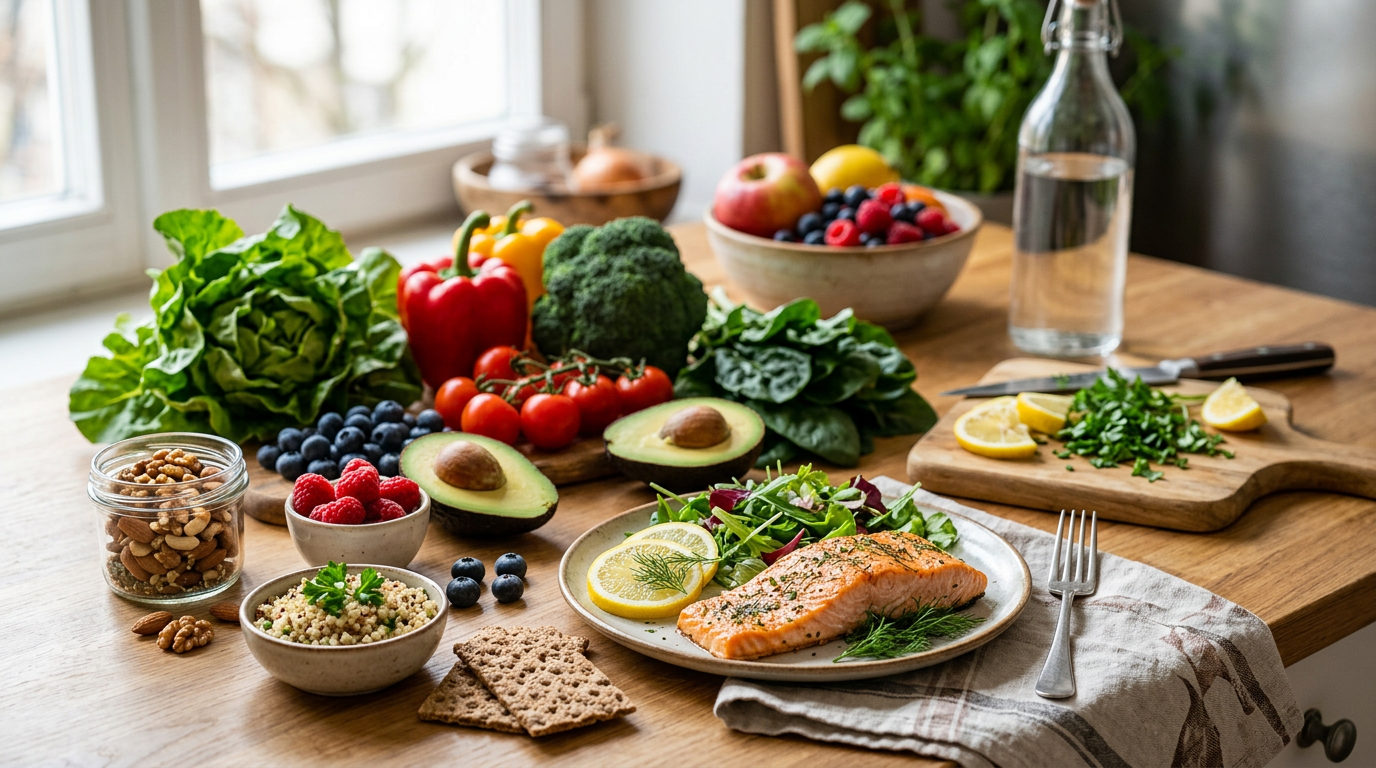
Mastering Your Diabetes Diet: Foods for Better Blood Sugar

Dr. Brian Karaan
Author
The Ultimate Diabetes Diet Guide: Eating for Stable Blood Sugar
Managing your health starts with what you put on your plate. For many, a diabetes diet feels like a list of restrictions, but it is actually a blueprint for high-energy living and long-term vitality.
The primary goal of a diabetes-friendly eating plan is to maintain stable glucose levels while supporting heart health. By choosing the right fuel, you can prevent the sharp spikes and crashes that lead to fatigue and long-term complications.
Understanding the Glycemic Index
One of the most powerful tools in your nutritional arsenal is the Glycemic Index (GI). This scale ranks carbohydrates based on how quickly they raise blood glucose levels.
Low-GI foods are digested slowly, providing a steady release of energy into your bloodstream. High-GI foods, such as white bread and sugary cereals, cause rapid spikes that strain your body’s insulin response.
Top Low-Glycemic Foods to Include:
The Power of Fiber and Protein
Fiber is the "secret weapon" of any successful diabetes diet. Because the body cannot absorb or break down fiber, it doesn't cause a spike in blood sugar like other carbohydrates.
Soluble fiber, found in oats and beans, creates a gel-like substance in the gut. This slows the absorption of sugar and improves overall cholesterol levels.
Pairing fiber with lean protein is equally vital. Protein slows down the digestion of any accompanying carbohydrates, further flattening the glucose curve after a meal.
Smart Protein Choices:
Healthy Fats: Quality Over Quantity
For years, dietary fat was vilified, but we now know that healthy fats are essential for metabolic health. They provide satiety and help your body absorb fat-soluble vitamins like A, D, E, and K.
Focus on monounsaturated and polyunsaturated fats. These are typically found in liquid oils, nuts, and seeds, and they can actually help improve insulin sensitivity.
Avoid trans fats and limit saturated fats from processed meats. These can contribute to inflammation and "leaky gut" issues that complicate glucose management.
Mastering Meal Timing and Portion Control
When you eat can be just as important as what you eat. Consistent meal timing helps your body predict and manage glucose influx throughout the day.
Many people find success with the Plate Method. Fill half your plate with non-starchy vegetables, one-quarter with lean protein, and the final quarter with a healthy carbohydrate or whole grain.
Small, frequent meals may prevent extreme hunger, which often leads to poor food choices. However, always listen to your body's natural hunger cues to avoid overconsumption.
The Gut-Glucose Connection
Recent breakthroughs in metabolic science have highlighted the importance of the microbiome. The bacteria living in your digestive tract play a critical role in how your body processes sugar.
When your gut bacteria are out of balance, it can disrupt the signals sent to your pancreas and liver. This "bacterial collapse" makes it much harder to maintain healthy levels, regardless of how strictly you follow a diet.
If you find that dietary changes alone aren't giving you the results you expect, it may be due to this underlying gut disruption. Dr. Brian Karaan has developed GutGlucose to specifically address this "missing link" in metabolic health. By using a oral delivery system, GutGlucose helps rebuild the bacterial colonies and restore the signals necessary for natural glucose balance.
These statements have not been evaluated by the Food and Drug Administration. This product is not intended to diagnose, treat, cure, or prevent any disease.


Comments (0)
Log in to leave a comment
No comments yet. Be the first to comment!

Dr. Brian Karaan
Dr. Brian Karaan, MD. Mayo Clinic alumni. Functional medicine physician in Denver, CO for 28 years. Spent 22 years developing the gut-based protocol that Harvard confirmed in 2024. Treated 4,000+ patients. Created Sugar Harmony to bring the protocol to everyone who needs it.
View all posts
The Gut-Glucose Connection: What Controls Your Blood Sugar More Than Anything You've Been Prescribed
- The 5 foods that secretly spike your blood sugar
- The gut-glucose connection Harvard confirmed in 8,000 diabetics — and your doctor never mentioned
- The 3 bacterial failures happening in your gut right now that no medication is fixing
- Dr. Karaan's 3-day gut reset protocol to stop the damage before it goes further
- The morning routine that prepares your gut to regulate glucose before your first meal
- Why metformin, Ozempic, and every diet you've tried were aimed at the wrong organ
- The natural compounds that target the root cause — not the symptom