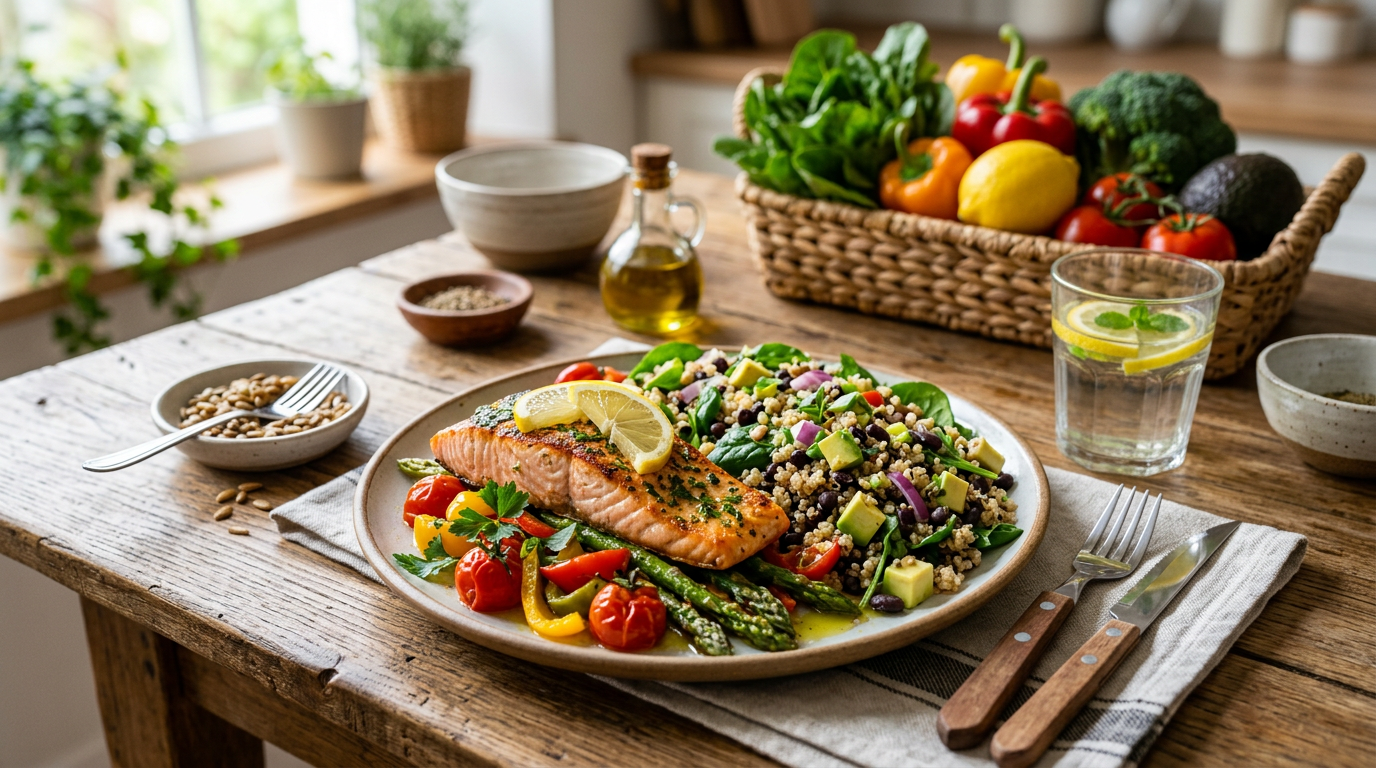
The Ultimate Guide to a Type 2 Diabetes Diet

Dr. Brian Karaan
Author
The Best Type 2 Diabetes Diet for Stable Blood Sugar
Managing your health starts in the kitchen, especially when you are navigating a type 2 diabetes diet. For many, the word "diet" feels like a restriction, but it is actually a powerful tool for regaining control over your energy levels and metabolic health.
Recent scientific breakthroughs show that what we eat does more than just provide fuel; it communicates directly with our internal signaling systems. By choosing the right foods, you can stabilize your glucose levels and reduce the long-term risks associated with high blood sugar.
The Pillars of a Balanced Diabetic Meal Plan
A successful type 2 diabetes diet isn't about eating "special" foods. It focuses on whole, unprocessed ingredients that provide steady energy without causing sharp spikes in insulin.
The key is to prioritize nutrient-heavy options that digest slowly. This prevents the "rollercoaster" effect where your sugar shoots up after a meal and crashes shortly after, leaving you fatigued.
Focus on Complex Carbohydrates
Not all carbs are created equal. While white bread and sugary cereals digest instantly, complex carbohydrates contain fiber that slows down the absorption of glucose.
Consider adding these to your daily routine:
Prioritize Lean Proteins and Healthy Fats
Protein and fat are essential because they do not raise blood sugar significantly. When eaten alongside carbohydrates, they actually slow down how fast your body processes sugar.
Focus on high-quality sources such as wild-caught fish, skinless poultry, and organic eggs. For fats, stick to plant-based sources like avocados, walnuts, and extra virgin olive oil, which support heart health.
High-Fiber Foods: Your Secret Weapon
Fiber is perhaps the most underrated component of a type 2 diabetes diet. Because the body cannot digest fiber, it doesn't break down into sugar, yet it keeps you feeling full and satisfied.
The Power of Non-Starchy Vegetables
You can eat almost unlimited amounts of non-starchy vegetables. These provide essential vitamins and minerals with very few calories or carbohydrates.
Fill at least half your plate with:
Berries and Low-Glycemic Fruits
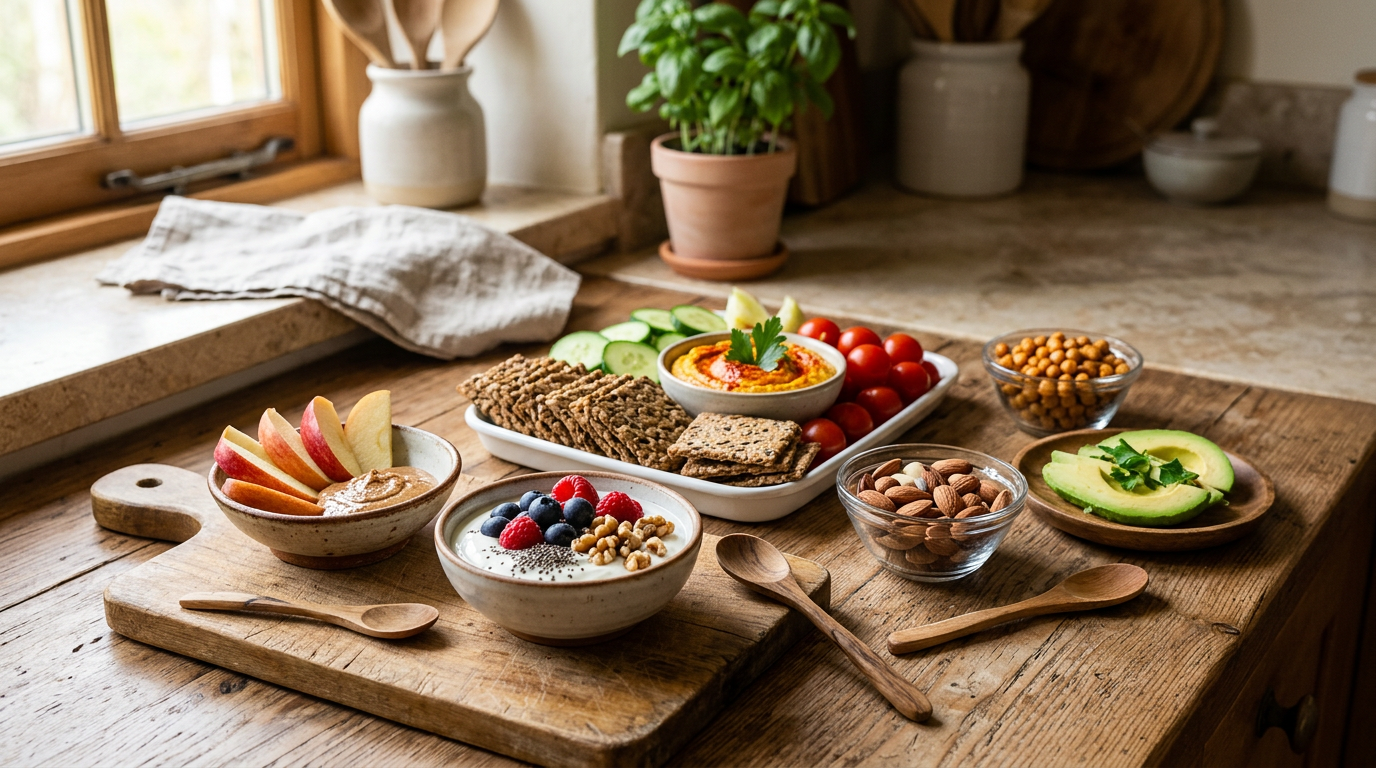
You don't have to give up fruit entirely. Berries like blueberries, strawberries, and raspberries are packed with antioxidants and fiber, making them an excellent choice for a natural sweet treat that won't derail your progress.
Foods to Limit or Avoid
To maintain consistent glucose levels, it is vital to identify foods that cause rapid metabolic stress. These items often provide "empty calories" that offer no nutritional benefit.
The Importance of Meal Timing and Portions
Even healthy foods can impact your blood sugar if eaten in excessive amounts at the wrong time. Consistent meal timing helps your body predict when it needs to manage incoming glucose.
Try to eat at roughly the same times each day. This prevents "extreme hunger," which often leads to overeating or choosing convenient, processed snacks that aren't on your plan.
The Plate Method
A simple way to manage portions without a calculator is the Plate Method. Use a 9-inch plate and fill half with non-starchy vegetables, one-quarter with lean protein, and one-quarter with a high-fiber carbohydrate.
The Connection Between Diet and Your Gut Microbiome
Emerging research from institutions like Harvard and MIT suggests that how your body processes a type 2 diabetes diet depends heavily on your gut health. Your intestinal bacteria play a critical role in how sugar is absorbed and how insulin signals are sent to the rest of the body.
When your gut microbiome is imbalanced, even a "perfect" diet can sometimes fall short because the primary signaling pathway is broken. Supporting your digestive environment helps ensure that the healthy foods you eat are being utilized correctly by your cells.
If you find that dietary changes alone aren't delivering the stability you need, it may be because your internal "signal" needs a manual reset. GutGlucose was formulated by Dr. Brian Karaan to address this exact disconnect by rebuilding bacterial colonies that support healthy insulin response. By taking one capsule of GutGlucose in the morning, you can help restore the natural gut-glucose connection that makes your healthy eating habits even more effective.
These statements have not been evaluated by the Food and Drug Administration. This product is not intended to diagnose, treat, cure, or prevent any disease.


Comments (0)
Log in to leave a comment
No comments yet. Be the first to comment!
Dr. Brian Karaan
Dr. Brian Karaan, MD. Mayo Clinic alumni. Functional medicine physician in Denver, CO for 28 years. Spent 22 years developing the gut-based protocol that Harvard confirmed in 2024. Treated 4,000+ patients. Created Sugar Harmony to bring the protocol to everyone who needs it.
View all posts
The Gut-Glucose Connection: What Controls Your Blood Sugar More Than Anything You've Been Prescribed
- The 5 foods that secretly spike your blood sugar
- The gut-glucose connection Harvard confirmed in 8,000 diabetics — and your doctor never mentioned
- The 3 bacterial failures happening in your gut right now that no medication is fixing
- Dr. Karaan's 3-day gut reset protocol to stop the damage before it goes further
- The morning routine that prepares your gut to regulate glucose before your first meal
- Why metformin, Ozempic, and every diet you've tried were aimed at the wrong organ
- The natural compounds that target the root cause — not the symptom