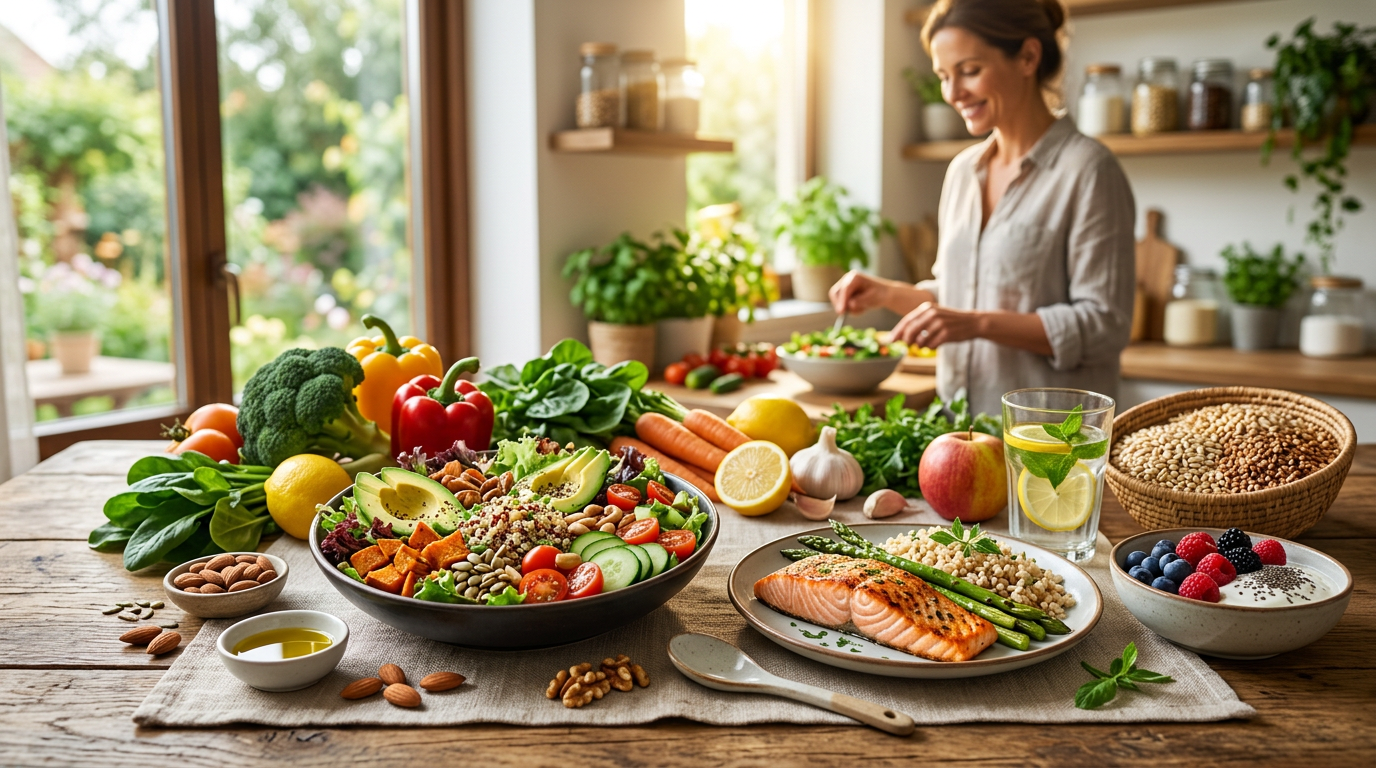
The Ultimate Prediabetes Diet: How to Reverse Your Risk Naturally

Dr. Brian Karaan
Author
The Ultimate Prediabetes Diet: How to Reverse Your Risk Naturally
Receiving a prediabetes diagnosis can feel overwhelming, but it is actually a powerful window of opportunity. It is a signal from your body that your blood sugar levels are higher than normal, yet not high enough to be classified as type 2 diabetes. The good news is that with a targeted prediabetes diet, you can improve your insulin sensitivity and potentially reverse the condition entirely.
Understanding how food impacts your glucose levels is the first step toward long-term health. By making intentional shifts in your eating habits, you can take control of your metabolic future.
Understanding the Glycemic Index and Load
One of the most effective tools in a prediabetes diet is the Glycemic Index (GI). This scale ranks carbohydrate-containing foods based on how quickly they raise blood glucose levels after consumption.
High-GI foods, like white bread and sugary cereals, cause rapid spikes in blood sugar. These spikes force your pancreas to pump out large amounts of insulin, which can lead to insulin resistance over time.
Instead, focus on low-GI foods that digest slowly, providing a steady release of energy. Examples include steel-cut oats, lentils, and non-starchy vegetables. This prevents the "rollercoaster" effect that stresses your metabolic system.
The Power of Fiber for Blood Sugar Control
Fiber is the unsung hero of metabolic health. Because the body cannot digest fiber, it doesn't raise blood sugar levels the way other carbohydrates do.
Soluble fiber, in particular, creates a gel-like substance in your gut. This slows down the absorption of sugar and fat, helping to keep your glucose readings stable after meals.
Top Fiber Sources for Prediabetes:
Prioritizing Lean Proteins and Healthy Fats
When you eat carbohydrates, pairing them with protein or fat is essential. This combination further slows the digestion of glucose into your bloodstream.
Focus on lean protein sources like wild-caught fish, skinless poultry, and plant-based options like organic tofu. These help you feel full longer and support muscle maintenance, which is vital for glucose disposal.
Healthy fats, such as those found in avocados, olive oil, and walnuts, are also crucial. They provide satiety and support heart health, which is especially important for those managing prediabetes.
Hydration and the Role of Liquid Sugars
What you drink is just as important as what you eat. Sugary beverages like soda, sweet tea, and even fruit juices are major contributors to insulin resistance.
These liquids enter the bloodstream almost instantly because they lack fiber to slow them down. Even "natural" fruit juices can contain as much sugar as a candy bar.
Make water your primary beverage. If you need variety, try sparkling water with a squeeze of lime or herbal teas. Staying hydrated helps your kidneys flush out excess sugar through urine.
Timing and Portion Management
It isn’t just about what you eat, but how and when you eat it. Consistently skipping meals can lead to blood sugar dips followed by overeating later in the day.
Strengthening the Gut-Glucose Connection
Modern research from institutions like Harvard and MIT has revealed that the health of your gut microbiome plays a massive role in how you process sugar. When the beneficial bacteria in your digestive tract are depleted, the signals between your gut and your pancreas can become "muffled."
A robust prediabetes diet should include fermented foods like kimchi, sauerkraut, or kefir to support these bacterial colonies. When your gut environment is balanced, your body can manage glucose much more efficiently.
This internal communication system is exactly why some people find it harder to lower their A1c even when they follow a strict diet. Strengthening the gut-glucose connection can often be the "missing link" in metabolic recovery.
If you are looking to further support your gut's role in blood sugar management, Dr. Brian Karaan developed GutGlucose. This oral liquid is designed to help rebuild the bacterial colonies that govern insulin signaling. By incorporating GutGlucose into your morning routine, you can support your body's natural ability to reduce sugar absorption and restore metabolic coordination.
These statements have not been evaluated by the Food and Drug Administration. This product is not intended to diagnose, treat, cure, or prevent any disease.


Comments (0)
Log in to leave a comment
No comments yet. Be the first to comment!

Dr. Brian Karaan
Dr. Brian Karaan, MD. Mayo Clinic alumni. Functional medicine physician in Denver, CO for 28 years. Spent 22 years developing the gut-based protocol that Harvard confirmed in 2024. Treated 4,000+ patients. Created Sugar Harmony to bring the protocol to everyone who needs it.
View all posts
The Gut-Glucose Connection: What Controls Your Blood Sugar More Than Anything You've Been Prescribed
- The 5 foods that secretly spike your blood sugar
- The gut-glucose connection Harvard confirmed in 8,000 diabetics — and your doctor never mentioned
- The 3 bacterial failures happening in your gut right now that no medication is fixing
- Dr. Karaan's 3-day gut reset protocol to stop the damage before it goes further
- The morning routine that prepares your gut to regulate glucose before your first meal
- Why metformin, Ozempic, and every diet you've tried were aimed at the wrong organ
- The natural compounds that target the root cause — not the symptom