Understanding Diabetes Insipidus: Symptoms and Causes

Dr. Brian Karaan
Author
Understanding Diabetes Insipidus: Symptoms, Causes, and Management
Despite sharing a similar name, diabetes insipidus is a rare condition that is completely unrelated to the more common diabetes mellitus (type 1 and type 2). While both conditions can cause extreme thirst and frequent urination, they affect the body in very different ways.
Diabetes insipidus occurs when the body cannot properly balance fluid levels, leading to the production of large amounts of diluted urine. Understanding the mechanics of this condition is essential for distinguishing it from high blood sugar issues.
What Causes Diabetes Insipidus?
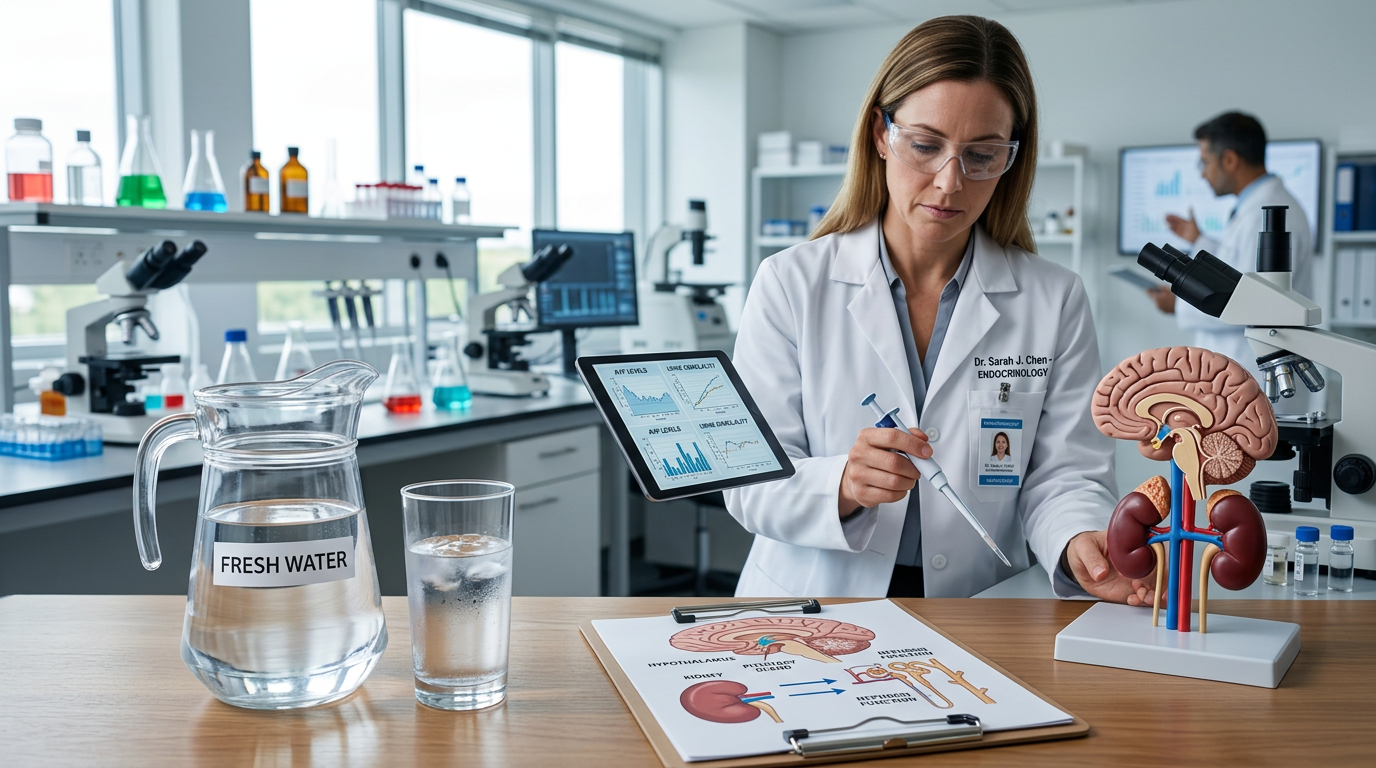
The primary driver of diabetes insipidus is a problem with antidiuretic hormone (ADH), also known as vasopressin. This hormone is produced by the hypothalamus and stored in the pituitary gland.
Under normal circumstances, ADH signals your kidneys to retain water. In people with diabetes insipidus, this signaling process fails, causing the kidneys to expel too much water from the bloodstream.
The Four Main Types
Recognizing the Key Symptoms
The symptoms of diabetes insipidus can be life-altering and difficult to manage without medical intervention. Because the body is losing fluid so rapidly, the primary focus is often on staying hydrated.
Common signs include:
Potential Complications
If left untreated, diabetes insipidus can lead to severe dehydration. Symptoms of dehydration include dry mouth, skin elasticity changes, fatigue, and dizziness.
In some cases, it can cause an electrolyte imbalance. This happens when minerals in your blood, such as sodium and potassium, become too concentrated, potentially leading to headaches, nausea, or even seizures.
How is it Diagnosed?
because many symptoms mimic diabetes mellitus, doctors must use specific tests to confirm a diagnosis of diabetes insipidus. A simple blood sugar test can usually rule out "sugar diabetes" immediately.
Typical diagnostic paths include:
Managing the Condition Effectively
The treatment for diabetes insipidus depends on which form of the condition you have. For many, management is a lifelong process of hormone replacement and fluid monitoring.
Hormonal Replacement
For central diabetes insipidus, doctors often prescribe desmopressin, a synthetic version of the ADH hormone. This can be taken as a nasal spray, oral tablet, or injection to help the kidneys retain water.Diet and Lifestyle Adjustments
In milder cases, simply increasing water intake may be enough. Doctors may also recommend a low-sodium diet to help reduce the amount of urine the kidneys produce.Managing Nephrogenic Cases
If the kidneys are the source of the problem, hormone replacement won't work. Instead, doctors may prescribe specific diuretics or anti-inflammatory medications that, paradoxically, help the kidneys process fluid more effectively in these specific patients.The Connection to Metabolic Health
While diabetes insipidus is a hormonal fluid disorder, maintaining overall metabolic health is vital for anyone dealing with chronic renal or endocrine stress. Supporting the body’s internal signaling systems ensures that your organs aren't overworked by fluctuating fluid levels and nutrient absorption issues.
If you are already managing concerns like insulin resistance alongside fluid balance, the gut-glucose connection becomes an essential factor to consider. Many patients find that when they stabilize their internal bacterial environment, their body responds better to various treatments.
For those looking to support their systemic health, GutGlucose offers a unique approach by focusing on the gut microbiome's role in internal signaling. By utilizing the Gut Guardian and Sugar Destroyer compounds, GutGlucose helps restore the foundational signals that modern life often disrupts. This oral formula is designed to bypass traditional digestive hurdles, providing direct support for those aiming for total body wellness.
These statements have not been evaluated by the Food and Drug Administration. This product is not intended to diagnose, treat, cure, or prevent any disease.


Comments (0)
Log in to leave a comment
No comments yet. Be the first to comment!

Dr. Brian Karaan
Dr. Brian Karaan, MD. Mayo Clinic alumni. Functional medicine physician in Denver, CO for 28 years. Spent 22 years developing the gut-based protocol that Harvard confirmed in 2024. Treated 4,000+ patients. Created Sugar Harmony to bring the protocol to everyone who needs it.
View all posts
The Gut-Glucose Connection: What Controls Your Blood Sugar More Than Anything You've Been Prescribed
- The 5 foods that secretly spike your blood sugar
- The gut-glucose connection Harvard confirmed in 8,000 diabetics — and your doctor never mentioned
- The 3 bacterial failures happening in your gut right now that no medication is fixing
- Dr. Karaan's 3-day gut reset protocol to stop the damage before it goes further
- The morning routine that prepares your gut to regulate glucose before your first meal
- Why metformin, Ozempic, and every diet you've tried were aimed at the wrong organ
- The natural compounds that target the root cause — not the symptom