
Understanding Fasting Glucose Levels: A Guide to Metabolic Health

Dr. Brian Karaan
Author
Understanding Your Fasting Glucose Levels: A Guide to Metabolic Health
Knowing your fasting glucose levels is one of the most proactive steps you can take for your long-term health. This simple measurement provides a snapshot of how your body manages energy during its most resting state.
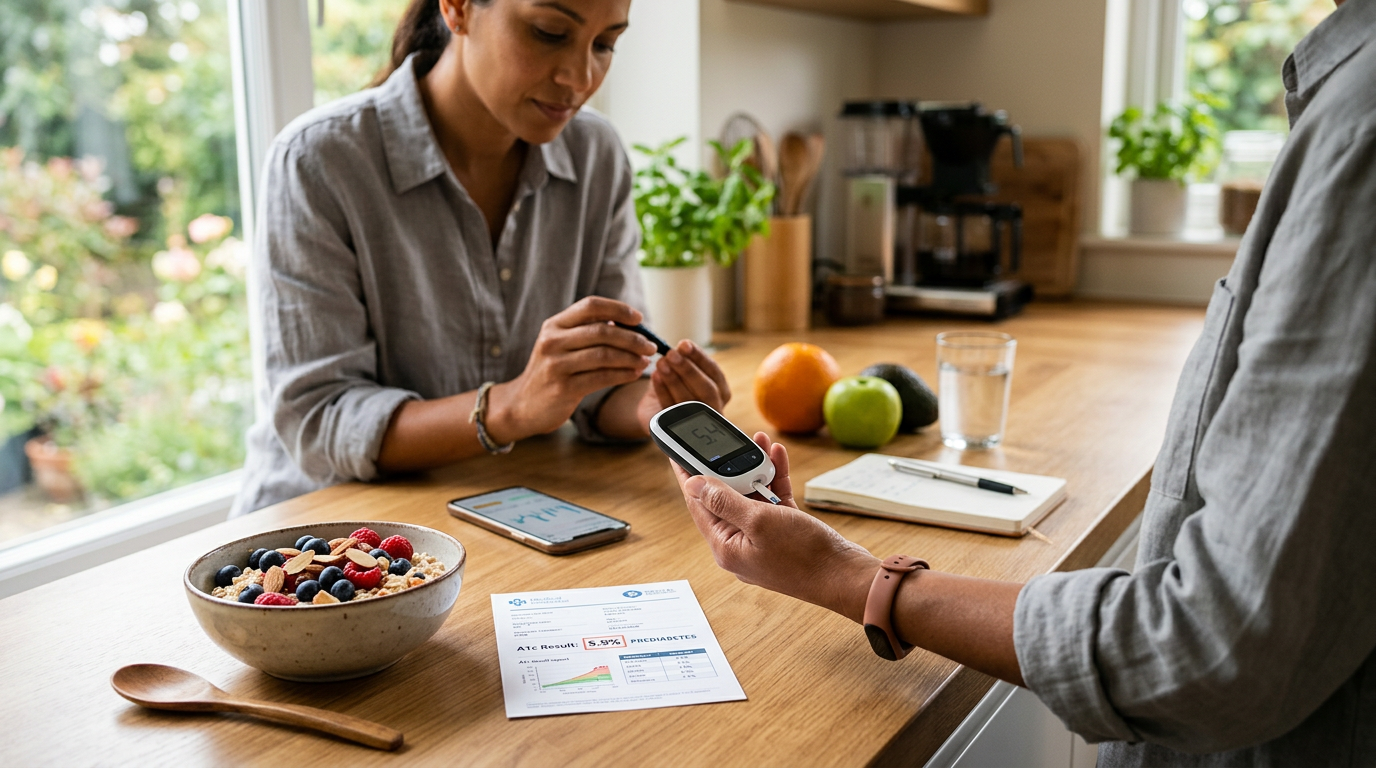
When you wake up after an 8 to 12-hour fast, your body relies on stored energy rather than food. Monitoring this number is crucial for early detection of insulin resistance and metabolic dysfunction.
What Are Fasting Glucose Levels?
Fasting glucose levels refer to the amount of sugar (glucose) present in your bloodstream after you have not eaten for several hours. This is typically measured in the morning before breakfast.
Under normal conditions, your liver releases glucose into the blood to keep your brain and organs functioning. In a healthy body, insulin helps your cells absorb this sugar, keeping levels within a tight range.
Why the Modern Diet Disrupts These Numbers
In the past, our ancestors had naturally stable morning sugar levels because their diets lacked processed additives. Today, high-fructose corn syrup and hidden sugars can overwhelm the liver and pancreas.
When your body is constantly bombarded with refined carbohydrates, your fasting numbers begin to creep upward. This gradual shift is often the first warning sign of prediabetes.
Interpreting Your Results: What the Numbers Mean
Health professionals use specific ranges to determine your metabolic status. Understanding where you fall on this spectrum can help you make necessary lifestyle adjustments.
If your results fall in the prediabetes range, it is a signal that your body is struggling to move glucose out of the bloodstream efficiently.
Factors That Influence Your Morning Blood Sugar
It isn't just about what you ate for dinner the night before. Several biological factors can cause your fasting glucose levels to fluctuate unexpectedly.
The Somogyi Effect vs. The Dawn Phenomenon
The Dawn Phenomenon occurs when your body releases hormones like cortisol and growth hormone in the early morning. These hormones tell your liver to release glucose to give you energy for the day ahead.
The Somogyi Effect is a rebound high. If your blood sugar drops too low during the night, your body overcompensates by dumping glucose into the system, leading to a high reading upon waking.
Poor Sleep and Stress
Lack of sleep increases cortisol, which directly opposes insulin. A single night of poor rest can cause a temporary spike in your morning glucose readings.
Chronic stress also keeps your body in "fight or flight" mode. This state prioritizes glucose availability for quick energy, which can keep your levels elevated even if you are eating perfectly.
Natural Ways to Optimize Your Fasting Glucose
Improving your metabolic health doesn't always require drastic measures. Small, consistent changes can have a profound impact on your daily numbers.
The Role of the Gut in Glucose Regulation
Recent breakthroughs in metabolic science suggest that our blood sugar isn't just managed by the pancreas. The community of bacteria in your intestines plays a massive role in how you process carbohydrates.
When the gut microbiome is out of balance, the signals that tell your body to process insulin can become "muted." Restoring this internal ecosystem is often the missing piece of the puzzle for those struggling with stubborn fasting numbers.
Managing your fasting glucose levels requires a holistic approach that looks beyond just the pancreas. If your morning readings remain high despite a clean diet, it may be due to the "bacterial collapse" that disrupts insulin signaling at the source. Integrating a targeted solution like GutGlucose can help rebuild those critical bacterial colonies and restore the gut-glucose connection. This doctor-formulated protocol, featuring the Sugar Destroyer compound, works to optimize your metabolism from the inside out, making GutGlucose a valuable ally in your journey toward stable, healthy numbers.
These statements have not been evaluated by the Food and Drug Administration. This product is not intended to diagnose, treat, cure, or prevent any disease.


Comments (0)
Log in to leave a comment
No comments yet. Be the first to comment!
Dr. Brian Karaan
Dr. Brian Karaan, MD. Mayo Clinic alumni. Functional medicine physician in Denver, CO for 28 years. Spent 22 years developing the gut-based protocol that Harvard confirmed in 2024. Treated 4,000+ patients. Created Sugar Harmony to bring the protocol to everyone who needs it.
View all posts
The Gut-Glucose Connection: What Controls Your Blood Sugar More Than Anything You've Been Prescribed
- The 5 foods that secretly spike your blood sugar
- The gut-glucose connection Harvard confirmed in 8,000 diabetics — and your doctor never mentioned
- The 3 bacterial failures happening in your gut right now that no medication is fixing
- Dr. Karaan's 3-day gut reset protocol to stop the damage before it goes further
- The morning routine that prepares your gut to regulate glucose before your first meal
- Why metformin, Ozempic, and every diet you've tried were aimed at the wrong organ
- The natural compounds that target the root cause — not the symptom