Understanding Normal Blood Glucose Levels for Optimal Health

Dr. Brian Karaan
Author
Understanding Normal Blood Glucose Levels for Optimal Health
Managing your health starts with understanding your numbers, and perhaps no number is more critical than your blood sugar. Maintaining normal blood glucose levels is essential for sustained energy, hormonal balance, and long-term metabolic health.
Glucose is the primary fuel source for your body's cells, but it requires a delicate internal balance. When levels stay within a specific range, your body functions like a well-oiled machine, protecting your organs and blood vessels from damage.
What Are Normal Blood Glucose Levels?
For the average healthy adult without diabetes, the body works hard to keep glucose tightly regulated. These levels are typically measured in milligrams per deciliter (mg/dL).
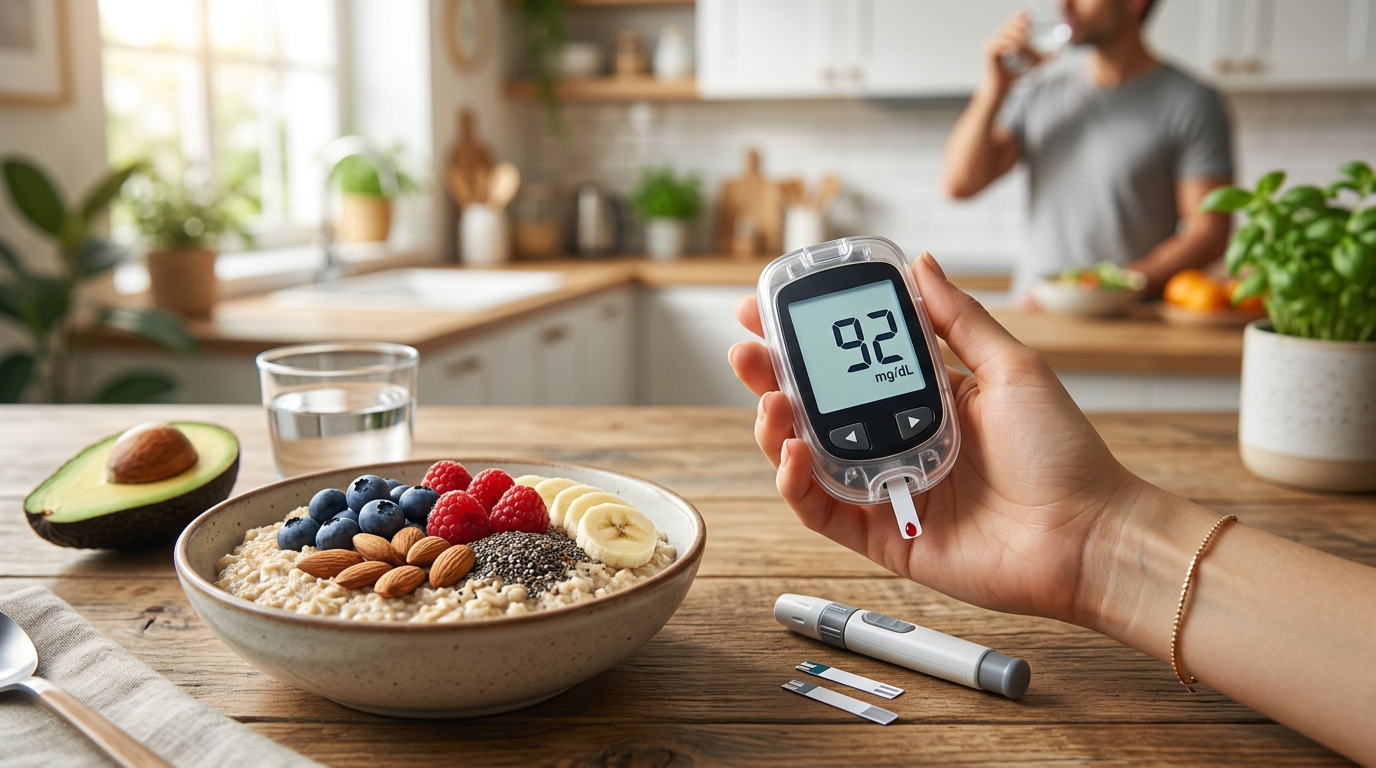
The American Diabetes Association (ADA) provides standard benchmarks for what constitutes a healthy range. Generally, a fasting blood sugar level (taken after not eating for at least 8 hours) should be under 100 mg/dL.
Post-meal levels, also known as postprandial glucose, will naturally rise as your body digests carbohydrates. However, even after a large meal, a healthy body should stay below 140 mg/dL within two hours of eating.
How the Body Regulates Blood Sugar
Your body utilizes a complex feedback loop involving the pancreas, liver, and gut to manage glucose. When you eat, the pancreas releases insulin, which acts as a "key" to let glucose into your cells for energy.
If your cells become resistant to this insulin, or if your body doesn't produce enough, glucose stays in the bloodstream. This leads to elevated levels that, over time, can damage the heart, kidneys, and nervous system.
Key Blood Sugar Benchmarks to Know
If your fasting numbers consistently fall between 100 and 125 mg/dL, it may indicate prediabetes. Anything consistently above 126 mg/dL is typically the diagnostic threshold for type 2 diabetes.
Factors That Influence Your Glucose Readings
It is important to remember that blood sugar is dynamic and changes throughout the day. While diet is a major contributor, several other lifestyle factors play a role in whether you maintain normal blood glucose levels.
1. Physical Activity
Exercise makes your muscles more sensitive to insulin. This allows your cells to use glucose more effectively, lowering the amount circulating in your blood during and after a workout.2. Stress and Cortisol
When you are stressed, your body enters "fight or flight" mode. This triggers the release of cortisol, which tells the liver to dump extra glucose into the blood for a quick energy burst.3. Sleep Quality
Lack of sleep can disrupt metabolic hormones and increase insulin resistance. Even one night of poor sleep can negatively impact how your body processes sugar the following day.4. The Gut Microbiome
Modern science is discovering that the bacteria in your digestive system play a massive role in glucose metabolism. Specific "good" bacteria help signal the brain and pancreas to manage sugar spikes more efficiently.Signs Your Blood Sugar May Be Out of Range
When glucose levels deviate from the normal range, your body often sends subtle—and eventually loud—warning signals. Recognizing these early can help you make necessary lifestyle adjustments.
Symptoms of High Blood Sugar (Hyperglycemia)
- Increased thirst and frequent urination
- Blurred vision
- Unexplained fatigue or lethargy
- Slow-healing wounds or frequent infections
Symptoms of Low Blood Sugar (Hypoglycemia)
- Shaking or tremors
- Sudden irritability or anxiety
- Rapid heartbeat
- Dizziness or lightheadedness
Simple Tips for Maintaining Healthy Glucose
You don't need a radical lifestyle overhaul to support your metabolism. Small, consistent choices can lead to significant improvements in your blood sugar stability.
Understanding your normal blood glucose levels provides a roadmap for your metabolic health. By paying attention to these numbers and the signals your body sends, you can take proactive steps to prevent chronic complications and improve your daily vitality.
Maintaining these steady rhythms often starts deep within the digestive system where sugar absorption begins. While exercise and fiber are vital, the way your gut bacteria process incoming carbohydrates can dictate whether you hit your target glucose levels. GutGlucose was designed to support this specific biological pathway by rebuilding the bacterial colonies necessary for healthy insulin signaling. By incorporating GutGlucose into your morning routine, you can help restore the internal coordination required to manage sugar at the source.
These statements have not been evaluated by the Food and Drug Administration. This product is not intended to diagnose, treat, cure, or prevent any disease.


Comments (0)
Log in to leave a comment
No comments yet. Be the first to comment!

Dr. Brian Karaan
Dr. Brian Karaan, MD. Mayo Clinic alumni. Functional medicine physician in Denver, CO for 28 years. Spent 22 years developing the gut-based protocol that Harvard confirmed in 2024. Treated 4,000+ patients. Created Sugar Harmony to bring the protocol to everyone who needs it.
View all posts
The Gut-Glucose Connection: What Controls Your Blood Sugar More Than Anything You've Been Prescribed
- The 5 foods that secretly spike your blood sugar
- The gut-glucose connection Harvard confirmed in 8,000 diabetics — and your doctor never mentioned
- The 3 bacterial failures happening in your gut right now that no medication is fixing
- Dr. Karaan's 3-day gut reset protocol to stop the damage before it goes further
- The morning routine that prepares your gut to regulate glucose before your first meal
- Why metformin, Ozempic, and every diet you've tried were aimed at the wrong organ
- The natural compounds that target the root cause — not the symptom