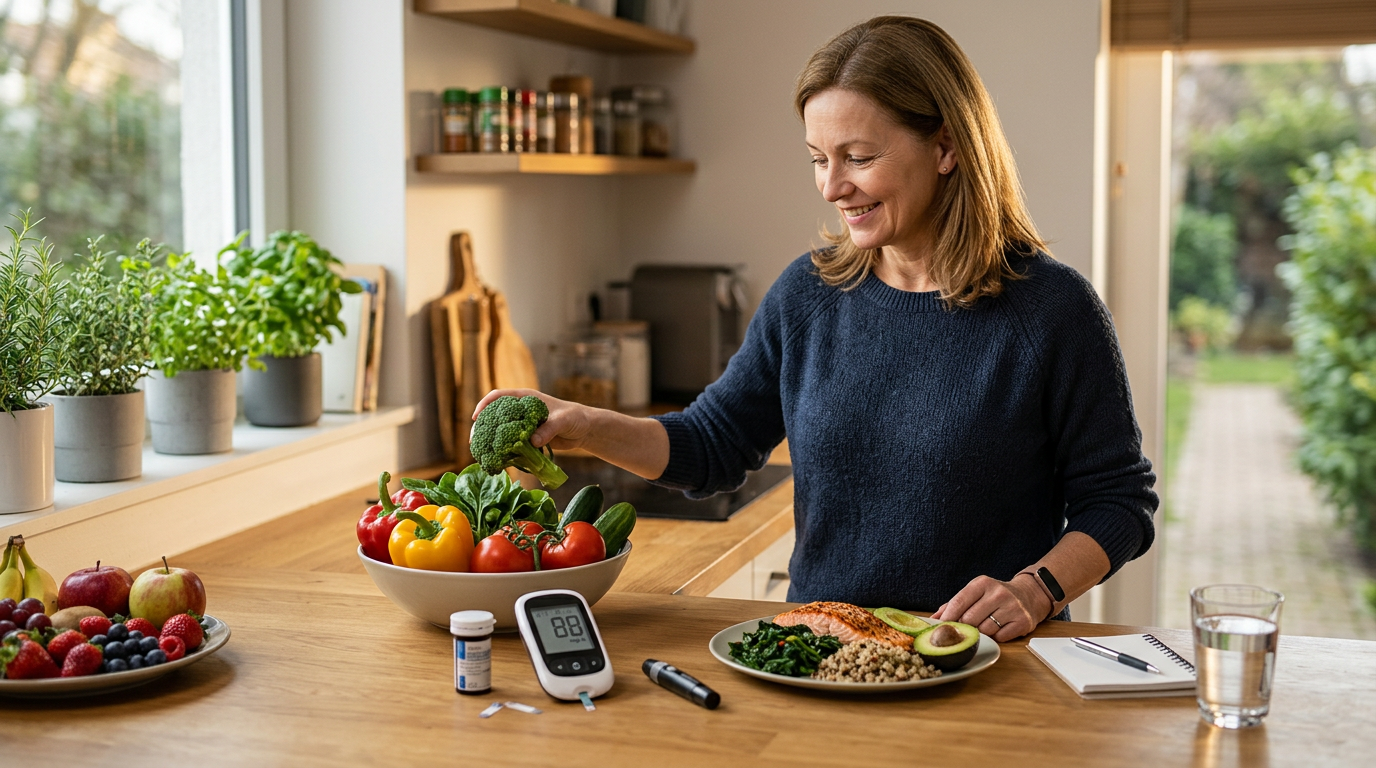
Understanding Type 2 Diabetes: Causes, Symptoms, and Management

Dr. Brian Karaan
Author
Understanding Type 2 Diabetes: Causes, Symptoms, and Management
Type 2 diabetes is a chronic condition that affects how your body processes blood sugar (glucose). With millions of people diagnosed worldwide, understanding the mechanics of type 2 diabetes is the first step toward reclaiming your health and vitality.
In a healthy body, the pancreas produces insulin to help move glucose into your cells for energy. However, in those with type 2 diabetes, the body either resists the effects of insulin or doesn't produce enough to maintain normal glucose levels.
How Type 2 Diabetes Develops in the Body
The development of this condition is often a gradual process. It typically begins with insulin resistance, a state where your muscle, fat, and liver cells don't respond properly to insulin.
To compensate, your pancreas pumps out more insulin to get blood sugar into the cells. Over time, the beta cells in the pancreas become exhausted and can no longer keep up with the demand, leading to elevated blood sugar.
Common Risk Factors
While genetics play a role, lifestyle factors are significant contributors to the onset of the condition. Understanding these risks can help in early intervention.Recognizing the Early Warning Signs
Many people live with type 2 diabetes for years without realizing it. The symptoms are often subtle and can be easily dismissed as signs of aging or overwork.
Increasing your awareness of these "red flags" can lead to an earlier diagnosis and more effective management.
Strategies for Managing Blood Sugar Naturally
Managing type 2 diabetes isn't just about medication; it's about a comprehensive lifestyle shift. Small, consistent changes can have a profound impact on your A1C levels.
Focus on Fiber-Rich Nutrition
Fiber slows down the absorption of sugar and helps improve blood sugar levels. Focus on non-starchy vegetables, legumes, and whole grains.Try to fill half your plate with greens like spinach, kale, or broccoli. These foods provide essential nutrients without causing significant glucose spikes.
The Power of Consistent Movement
You don't need to run a marathon to see results. Walking for just 15 minutes after a meal can significantly lower the post-meal glucose peak.Resistance training is also beneficial. By building muscle, you create more "storage space" for glucose, which improves your overall metabolic rate.
The Role of the Gut Microbiome in Glucose Control
Recent scientific breakthroughs have highlighted a surprising player in blood sugar management: your gut. Emerging research from institutions like Harvard suggests that the bacterial health of your digestive tract influences how your body signals for insulin.
When the "good" bacteria in your gut are depleted, the communication between your digestive system and your pancreas breaks down. This disruption is now being recognized as a foundational element in the progression of metabolic issues.
The Gut-Glucose Connection
Your gut produces specific signaling molecules that tell the rest of your body how to handle incoming sugar. If these signals are muffled by an imbalanced microbiome, your blood sugar remains elevated regardless of how little sugar you eat.Restoring this internal balance is becoming a primary focus for modern metabolic health strategies. By supporting the "signalers" in the gut, you can help your body return to a state of natural harmony.
Since type 2 diabetes is deeply rooted in how your body communicates with itself, addressing the gut-glucose connection is essential. Dr. Brian Karaan developed GutGlucose specifically to target this "bacterial collapse" that disrupts insulin signaling. By using the GutGlucose oral protocol, you provide your body with the Gut Guardian and Sugar Destroyer compounds needed to rebuild these vital internal signals.
These statements have not been evaluated by the Food and Drug Administration. This product is not intended to diagnose, treat, cure, or prevent any disease.


Comments (0)
Log in to leave a comment
No comments yet. Be the first to comment!

Dr. Brian Karaan
Dr. Brian Karaan, MD. Mayo Clinic alumni. Functional medicine physician in Denver, CO for 28 years. Spent 22 years developing the gut-based protocol that Harvard confirmed in 2024. Treated 4,000+ patients. Created Sugar Harmony to bring the protocol to everyone who needs it.
View all posts
The Gut-Glucose Connection: What Controls Your Blood Sugar More Than Anything You've Been Prescribed
- The 5 foods that secretly spike your blood sugar
- The gut-glucose connection Harvard confirmed in 8,000 diabetics — and your doctor never mentioned
- The 3 bacterial failures happening in your gut right now that no medication is fixing
- Dr. Karaan's 3-day gut reset protocol to stop the damage before it goes further
- The morning routine that prepares your gut to regulate glucose before your first meal
- Why metformin, Ozempic, and every diet you've tried were aimed at the wrong organ
- The natural compounds that target the root cause — not the symptom