Understanding Your Sugar Level After Meal: Tips for Stability

Dr. Brian Karaan
Author
Mastering Your Sugar Level After Meal: A Guide to Postprandial Health
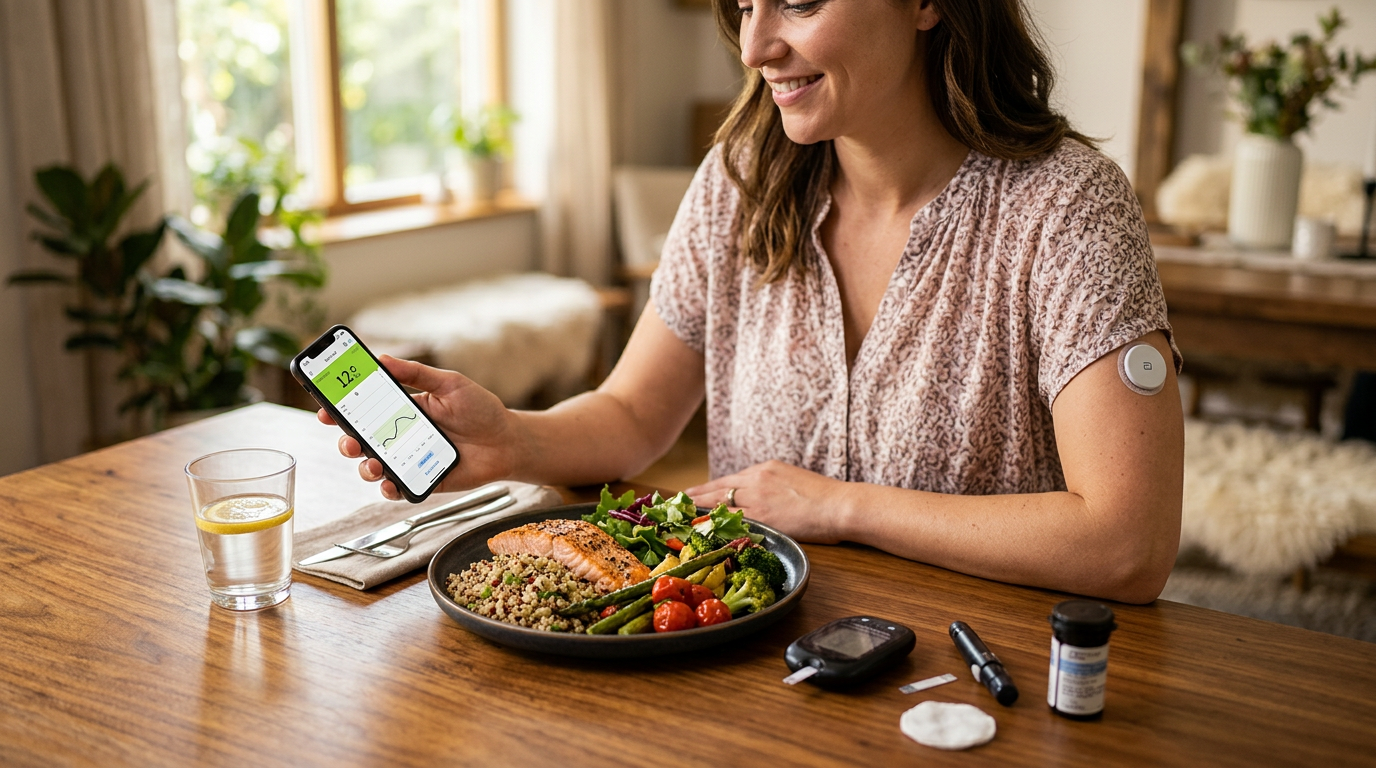
Understanding your sugar level after meal—medically known as postprandial glucose—is one of the most effective ways to manage your long-term metabolic health. While fasting glucose provides a baseline, how your body handles a "sugar spike" after eating reveals the true state of your insulin sensitivity.
Monitoring these levels helps you identify which specific foods trigger dangerous fluctuations. By stabilizing these peaks, you can reduce fatigue, manage weight more effectively, and protect your internal organs from the inflammatory effects of high blood sugar.
What is a Normal Sugar Level After Meal?
For most healthy adults, blood sugar should stay within a specific range following a meal. Ideally, your glucose should peak about one to two hours after eating and then begin to decline back toward your baseline.
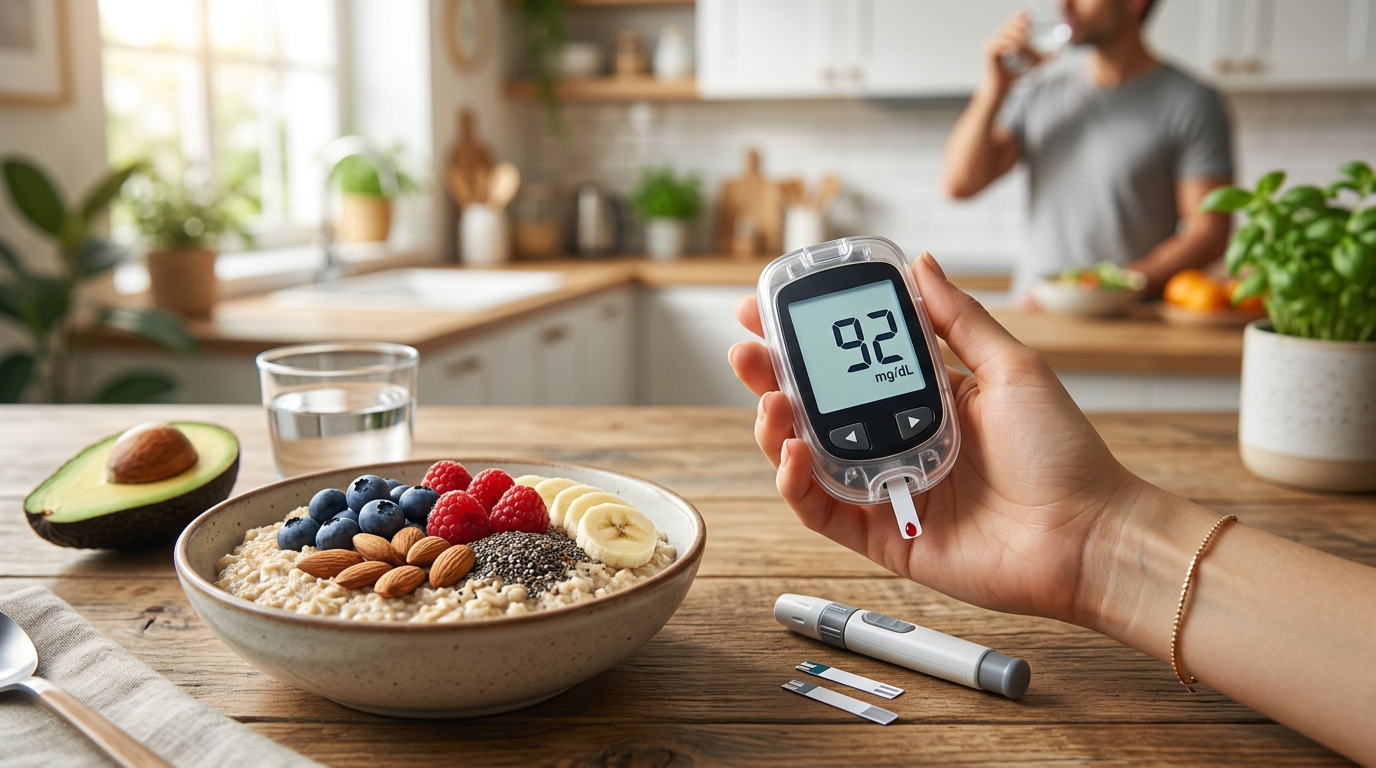
According to the American Diabetes Association, a target sugar level after meal for someone with diabetes is generally under 180 mg/dL. For those without diabetes, the level typically remains below 140 mg/dL after a typical meal.
Timing Your Tests
If you are monitoring your levels at home, the timing of your "finger stick" or sensor check is critical.Why Post-Meal Spikes Happen
When you consume carbohydrates, your digestive system breaks them down into glucose, which enters the bloodstream. In response, your pancreas releases insulin to usher that glucose into your cells for energy.
However, several factors can cause your sugar level after meal to skyrocket. This might include the glycemic index of the food, your level of physical activity, or even how much sleep you got the previous night.
The Role of "Hidden" Simple Carbs
Not all carbohydrates are created equal. Refined grains like white bread and sugary beverages enter the bloodstream almost instantly. This creates a sharp "spike" followed by a "crash," leaving you feeling shaky and hungry shortly after eating.Tips to Lower Sugar Level After Meal Naturally
Managing your post-meal glucose doesn't always require drastic measures. Small, strategic shifts in how and when you eat can make a significant difference in your daily readings.
The Importance of Protein and Fat
Pairing a carbohydrate with a healthy fat or protein is a proven strategy to stabilize your sugar level after meal. For example, eating an apple with almond butter results in a much lower glucose spike than eating the apple alone.The Long-Term Impact of High Post-Meal Glucose
Consistently high glucose levels after eating can lead to "glycation," a process where sugar molecules attach to proteins in your blood. This can damage blood vessels and nerves over time, increasing the risk of complications like neuropathy or cardiovascular issues.
When your gut microbiome is imbalanced, your body loses its ability to signal the pancreas and liver correctly. This disruption in the "gut-glucose connection" is often the root cause of why your levels remain high long after the meal has finished.
Managing your sugar level after meal is about more than just avoiding sweets; it is about restoring the natural communication between your digestive tract and your metabolic system. By focusing on the gut-glucose connection, you can help your body process carbohydrates more like it did before the onset of insulin resistance. GutGlucose supports this delicate balance by rebuilding the bacterial colonies necessary for proper insulin signaling and reducing sugar absorption by up to 50%. Incorporating GutGlucose into your morning routine can provide the foundational support your gut needs to handle post-meal glucose challenges effectively.
These statements have not been evaluated by the Food and Drug Administration. This product is not intended to diagnose, treat, cure, or prevent any disease.


Comments (0)
Log in to leave a comment
No comments yet. Be the first to comment!
Dr. Brian Karaan
Dr. Brian Karaan, MD. Mayo Clinic alumni. Functional medicine physician in Denver, CO for 28 years. Spent 22 years developing the gut-based protocol that Harvard confirmed in 2024. Treated 4,000+ patients. Created Sugar Harmony to bring the protocol to everyone who needs it.
View all posts
The Gut-Glucose Connection: What Controls Your Blood Sugar More Than Anything You've Been Prescribed
- The 5 foods that secretly spike your blood sugar
- The gut-glucose connection Harvard confirmed in 8,000 diabetics — and your doctor never mentioned
- The 3 bacterial failures happening in your gut right now that no medication is fixing
- Dr. Karaan's 3-day gut reset protocol to stop the damage before it goes further
- The morning routine that prepares your gut to regulate glucose before your first meal
- Why metformin, Ozempic, and every diet you've tried were aimed at the wrong organ
- The natural compounds that target the root cause — not the symptom